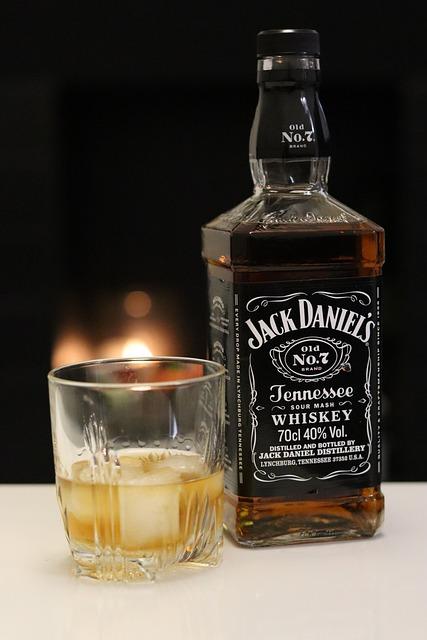
Barrel Math: Unveiling the Bottles in a Whiskey Barrel

Hey there whiskey aficionados! If you’ve ever found yourself longing to dive deeper into the magical world of whiskey making, then prepare to be pleasantly enlightened. In this article, we are going to unravel the fascinating art of "Barrel Math," shedding light on the mystical process of unveiling the bottles hidden within a whiskey barrel. In the next few minutes, we’ll embark on a journey that blends science, craftsmanship, and a touch of magic to explain the secrets behind this age-old industry practice. So, grab your favorite glass and join me as we demystify the numbers, equations, and calculations that govern whiskey maturation. Trust me, by the end, you’ll be savoring each sip with a newfound appreciation for the meticulous science behind your favorite drop. So, let’s raise a toast to the beauty of barrel math and immerse ourselves in this fascinating world!
1. The Influence of Barrel Size on Whiskey Maturation
Whiskey enthusiasts and connoisseurs have long debated the significance of barrel size on the maturation process. Many believe that the size of the barrel plays a crucial role in shaping the flavor profile of the whiskey. In this post, we dive into the fascinating world of barrel math to uncover the secrets behind the bottles hidden inside a whiskey barrel.
When it comes to whiskey maturation, barrel size matters. Smaller barrels have a higher surface area-to-whiskey ratio, allowing for faster interaction between the liquid and the wood. This results in accelerated aging and a more intense flavor profile. On the other hand, larger barrels offer a slower maturation process, allowing the whiskey to mellow and develop more subtle flavors over time.
Let’s take a closer look at the pros and cons of different barrel sizes:
- Small Barrels: Ideal for distilleries looking for a quick turnaround, small barrels can help produce a mature and flavorful whiskey in a shorter period. However, the rapid aging process can also lead to over-oaking if not carefully monitored.
- Standard Barrels: The most commonly used barrel size in the whiskey industry, standard barrels strike a balance between acceleration and complexity. With a slower maturation process, they allow for a well-rounded and balanced flavor profile.
- Large Barrels: Often used for long-term aging, large barrels offer a gentler and more gradual maturation process. This allows the whiskey to develop elegant and nuanced flavors over an extended period. However, longer aging can also result in a higher angel’s share.

2. Understanding the Impact of Wood Type on Whiskey Flavor Profiles
Wood type plays a crucial role in shaping the flavor profiles of whiskies. Each type of wood imparts unique characteristics to the spirit, influencing its taste, aroma, and overall quality. is like a journey into the heart of distilling, offering a deep appreciation for the craftsmanship behind every sip.
When it comes to whiskey barrels, oak is the most commonly used wood due to its porous nature and ability to impart desirable flavors. American white oak, in particular, is revered for its distinct vanilla, caramel, and spice notes that are often associated with bourbons. On the other hand, European oak, such as French or Spanish oak, tends to lend more complex flavors like dried fruits, chocolate, and nuttiness.
But it’s not just the type of wood that matters, but also how the barrel is seasoned. Charring the inside of the barrel plays a significant role in developing the flavors of the whiskey. The level of char, ranging from light to heavy, influences the depth and intensity of flavors, with heavier charring often leading to smoky or toasted notes. Additionally, the size and age of the barrel also have an impact on the whiskey, allowing for the gradual interaction between the spirit and the wood, resulting in a more nuanced and refined flavor.
In summary, the wood type used in whiskey barrels is a crucial factor in shaping the flavor profiles of the spirit. From American white oak to European oak, each wood imparts its own unique characteristics, adding depth and complexity to the whiskey. As you explore the world of whiskey, keep in mind the impact of wood type, as it brings an unparalleled richness to the art of distilling.
3. Unraveling the Mystery: The Role of Climate in Barrel Aging
When it comes to whiskey, the aging process plays a crucial role in developing its rich and complex flavors. One of the key factors influencing this transformation is climate. Unraveling the mystery behind the role of climate in barrel aging can help us understand why certain whiskies taste the way they do.
<p>Climate affects barrel aging in a variety of ways. The temperature and humidity levels in a particular region can significantly impact how a whiskey matures over time. In warmer climates, such as Kentucky, where bourbon is traditionally made, the whiskey reacts more with the charred oak barrels, leading to accelerated aging and intensified flavors. On the other hand, in cooler climates like Scotland, where Scotch whisky is produced, the aging process is slower, allowing the flavors to develop more subtly.</p>
<p>Additionally, climate variations throughout the year can create a <a href="https://armadillowhiskeys.com/guide/jeffersons-ocean-aged-at-sea-vs-jeffersons-reserve-sea-aged-splendor/" title="Jefferson's Ocean Aged at Sea vs Jefferson's Reserve: Sea Aged Splendor">dynamic aging process</a> for whiskey. The seasonal changes in temperature and humidity can cause the expansion and contraction of the whiskey, allowing it to interact with the wood on a molecular level. This interaction enhances the extraction of flavors from the barrel, contributing to the unique character of each whiskey.</p>
<p>Furthermore, the location where whiskey barrels are stored within a warehouse can also influence aging. Barrels placed on higher floors, where the temperature tends to be hotter, experience more evaporation, known as the "Angel's Share." This evaporation concentrates the whiskey and intensifies its flavors. Conversely, barrels stored on lower floors have a more stable environment, resulting in slower aging and a softer profile.</p>
<h3>Factors that Influence Barrel Aging:</h3>
<ul>
<li><b>Temperature:</b> The warmth or coldness of a climate affects the pace at which whiskey matures.</li>
<li><b>Humidity:</b> The level of moisture in the air influences the interaction between whiskey and the barrel.</li>
<li><b>Seasonal Variations:</b> Changes in temperature and humidity throughout the year impact the aging process.</li>
<li><b>Barrel Placement:</b> The positioning of barrels within a warehouse affects aging due to temperature variations.</li>
</ul>
<h3>The Climate's Artistic Touch:</h3>
<table class="wp-table">
<tr>
<th>Climate</th>
<th>Characteristic</th>
</tr>
<tr>
<td>Warm</td>
<td>Bold, robust flavors</td>
</tr>
<tr>
<td>Cold</td>
<td>Subtle, delicate nuances</td>
</tr>
<tr>
<td>Seasonal Variations</td>
<td>Dynamic, evolving taste profiles</td>
</tr>
<tr>
<td>Barrel Placement</td>
<td>Different intensities and complexities of flavors</td>
</tr>
</table>
<p>Understanding the role of climate in barrel aging allows us to appreciate the dedication and artistry behind each bottle of whiskey. From the fiery depths of a warm climate to the cool tranquility of a cold one, the environment in which whiskey matures shapes its flavor journey and the pleasure it brings to our palates. So, the next time you sip your favorite dram, remember to raise a toast to the subtle yet powerful influence of climate in the world of whiskey.</p>
4. Unlocking the Art of Barrel Selection for Optimal Whiskey Development
When it comes to crafting the perfect bottle of whiskey, the selection of barrels plays a crucial role in determining its flavor profile and overall development. Barrel selection is an art that requires a deep understanding of the complexities involved in aging whiskey. Each barrel brings its own unique characteristics, imparting distinct flavors, aromas, and textures to the spirit nestled within.
Unlocking the art of barrel selection begins with a keen eye for quality. It is essential to choose barrels made from the finest oak, as this wood has the ability to enhance the whiskey’s flavors through a process called maturation.
- Identify the right type of oak for your whiskey: Whether it’s American white oak or European oak, each variety brings its own set of flavors and characteristics to the whiskey. Knowing which oak suits your whiskey best is the first step towards unlocking its full potential.
- Dive into the world of barrel charring: The level of char in a barrel significantly impacts the whiskey’s flavor profile. Different levels of charring can bring out notes of vanilla, caramel, or even smoky undertones. Understanding the science behind charring allows you to find the perfect balance for your whiskey.
- Embrace the power of time: Patience is key when it comes to developing the perfect whiskey. Allowing the spirit to age and mature in carefully selected barrels is essential for optimal flavor development. Keep track of the aging process, ensuring that the whiskey is given the time it needs to reach its full potential.
By delving into the art of barrel selection, you can unlock the hidden secrets and nuances that lie within each bottle of whiskey. The careful consideration of oak type, charring levels, and aging time will allow you to create a unique and exceptional spirit that will delight whiskey connoisseurs worldwide.

5. Exploring the Intricate Chemistry Behind Whiskey Barrel Aging
One of the most fascinating aspects of the whiskey production process lies in the intricate chemistry that takes place within the barrels during aging. While we may think of barrels simply as vessels for storing and aging whiskey, they actually play a crucial role in shaping the final flavor profile of the spirit. In this post, we will delve into the mysterious world of barrel math and uncover the secrets hidden within each bottle.
At its core, whiskey barrel aging is a transformative process that involves a delicate dance between wood and spirit. As whiskey rests in the barrel, it gradually absorbs compounds from the wood, such as vanillin, tannins, and lignin, which contribute to the rich flavors and aromas we associate with aged whiskey. Simultaneously, the alcohol in the whiskey interacts with the wood, creating a complex web of chemical reactions that give rise to even more nuanced flavors.
To better understand this fascinating chemistry, let’s take a closer look at some of the key players involved in the whiskey barrel aging process:
1. Oak: The type of oak used in the construction of whiskey barrels can have a significant impact on the final product. Most whiskey barrels are made from American white oak or European oak, each imparting distinct characteristics to the spirit.
2. Toasting and Charring: During the barrel-making process, the interior of the barrel is subjected to toasting and charring. Toasting involves heating the wood to varying degrees, releasing compounds that contribute to flavors like caramel and vanilla. Charring takes this process a step further, creating a layer of char that adds depth and complexity to the whiskey.
3. Oxygen: Unlike other spirits, aging whiskey in barrels allows for a slow infusion of oxygen. This gradual exposure to air helps to mellow out harsh flavors and develop smoother, more rounded characteristics in the whiskey.
By understanding the intricate chemistry behind whiskey barrel aging, we gain a deeper appreciation for the craftsmanship that goes into creating a truly exceptional bottle of whiskey. So next time you enjoy a glass of your favorite whiskey, take a moment to savor the flavors that resulted from the fascinating dance between wood and spirit.
6. Mastering the Skill of Balancing Whiskey Age and Oak Influence
In the enchanting world of whiskey, nothing plays a more crucial role in shaping its character than the age and oak influence. As whiskey enthusiasts, we are all familiar with those magical moments when the spirits unveil their rich, complex flavors. But have you ever wondered how whiskey makers achieve that perfect balance between age and oak influence? Join me as we embark on a journey of barrel math to unravel the mysteries hidden within those whiskey barrels.
Aged whiskey, like a fine wine, takes time to mature and develop its distinct taste. However, not all whiskey barrels are created equal. The journey to finding the perfect balance starts with selecting the right barrel, crafted from the finest oak available. Each barrel brings its unique characteristics to the aging process, imparting flavors, aromas, and a touch of magic to the whiskey.
To truly master the skill of balancing whiskey age and oak influence, one must consider various factors. The age of the whiskey is undoubtedly essential, as it determines the depth and complexity of flavors. However, the oak influence cannot be overlooked. The type of oak, whether it’s American or French, the level of charring, and even the climate where the barrels are stored, all have an impact on the final product.
So, how do whiskey makers achieve the right balance? It’s a delicate dance of time, temperature, and patience. They carefully monitor the aging process, sampling the whiskey over months or even years, waiting for the perfect moment to capture the desired flavors and aromas. It’s a true art, where experience and intuition join forces to create a harmonious symphony of age and oak influence.
The Dance Between Age and Oak Influence
- Age: Whiskey’s age plays a vital role in its maturation. With time, flavors deepen, mellow, and develop complexity. A well-aged whiskey can unveil notes of vanilla, caramel, and even hints of dried fruits.
- Oak Influence: The oak used in whiskey barrels brings unique flavors to the spirit. American oak tends to impart sweeter and more pronounced vanilla and coconut characteristics, while French oak adds subtle spice and complexity.
To strike the perfect balance between age and oak influence, whiskey makers may experiment with blending different aged spirits or using a combination of barrels. They may choose to transfer the whiskey between different oak types, allowing each one to contribute its distinct flavors to the final product. It’s a delicate alchemy that requires skill, knowledge, and a touch of artistic intuition.
So, the next time you raise your glass to savor a dram of whiskey, take a moment to appreciate the intricate dance between age and oak influence happening in each sip. It’s a testament to the craftsmanship and dedication of those who strive to create that perfect balance, one barrel at a time.

7. The Journey of Whiskey: From Raw Spirit to Barrel-aged Elixir
In the fascinating world of whiskey, there is so much more than meets the eye. As we dive deeper into the barrel, we uncover the intricate process that transforms a raw spirit into a rich, barrel-aged elixir. Here, we explore the wonders of barrel math – the art of unveiling the bottles hidden within a whiskey barrel.
Picture this: a freshly crafted whiskey, clear as day, is poured into a charred oak barrel. Over time, this spirit begins to mature and develop its distinct flavors and aromas. But how does this happen? Through a complex chemical dance between the whiskey and the wood, various compounds are extracted and transformed, yielding layers of complexity and depth that tantalize the senses.
One of the key players in this transformation is tannins. These polyphenols found in wood interact with the whiskey, imparting flavors ranging from vanilla and caramel to spicy and smoky notes. As the whiskey ages, the tannins continue to work their magic, enhancing its overall profile and creating a harmonious blend of flavors.
Another crucial aspect of barrel math lies in the evaporation and concentration of the whiskey. Over time, a portion of the spirit evaporates through the porous wood, commonly known as the “angel’s share.” This evaporation not only contributes to the overall flavor concentration but also promotes a smoother, more complex whiskey.
But let’s not forget about the interaction between air and whiskey. As the barrel breathes, oxygen gradually seeps in, facilitating the aging process and influencing the spirit’s aromatic profile. The result? A symphony of scents, ranging from fruity esters and floral undertones to earthy nuances and hints of spice.
So, the next time you savor a glass of whiskey, take a moment to appreciate the journey it has undergone. Barrel math unveils the bottles within, transforming a raw spirit into a barrel-aged elixir that captivates whiskey connoisseurs around the world. Cheers to the wonders of whiskey aging!
8. Decoding the Factors That Contribute to Barrel Leaching and Evaporation
As whiskey aficionados, we often marvel at the intricate process that transforms a blend of grains into a smooth, flavorful spirit. But have you ever wondered about the role of the barrels in shaping the whiskey’s character? In this post, we delve into the fascinating world of barrel leaching and evaporation, deciphering the factors that contribute to these essential processes.
Barrel leaching refers to the gradual extraction of compounds from the wood into the whiskey during maturation. This exchange between the spirit and the barrel imparts unique flavors, such as caramel, vanilla, and spice. The level of leaching depends on several factors, including the type of wood, the age and char level of the barrel, and the duration of aging. Each of these elements contributes to the overall flavor profile of the final product.
Evaporation, on the other hand, is a natural and unavoidable consequence of aging whiskey in barrels. Over time, a small portion of the liquid evaporates through the porous wood, commonly referred to as the “angel’s share.” This loss can vary based on environmental conditions, including temperature, humidity, and the location of the aging warehouse. Distilleries worldwide conduct meticulous calculations to estimate the percentage of whiskey lost to evaporation, with some iconic brands even celebrating the angel’s share as a testament to the liquid’s journey.
In conclusion, understanding the factors that contribute to barrel leaching and evaporation is crucial in appreciating the subtle nuances of whiskey. From the type of wood used to the environment in which it matures, each element plays a unique role in shaping the flavors and aromas we savor in our glasses. So, next time you raise a glass of your favorite whiskey, take a moment to ponder the secrets hidden within the barrels that helped create such a captivating elixir.

9. Nurturing Whiskey: A Guide to Proper Barrel Storage and Care
When it comes to whiskey, proper barrel storage and care are paramount to maintaining the integrity and quality of the spirit. Whiskey barrels, often made of oak, play a crucial role in developing the unique flavors and aromas that enthusiasts crave. Whether you’re a seasoned distiller or a whiskey connoisseur, this guide will unveil the secrets to nurturing your whiskey through barrel math.
Firstly, it’s important to understand the impact of barrel size on the aging process. Larger barrels, such as the hogshead or sherry butt, allow for slower maturation, resulting in a more complex and mellow flavor profile. Conversely, smaller barrels, like the quarter cask or barrel, accelerate the aging process, intensifying the whiskey’s flavor and character. By choosing the right barrel size, you can tailor your whiskey’s aging to your preferences.
Additionally, the environment in which you store your barrels plays a significant role in the whiskey’s development. Temperature and humidity fluctuations can greatly influence the aging process. Ideally, the barrel room should maintain a cool temperature of around 55°F (13°C) and a humidity level of 75%. This ensures that the whiskey ages gracefully, allowing the flavors to harmonize over time. To maintain these optimal conditions, consider utilizing a climate-controlled cellar or investing in specialized cooling systems.
Proper barrel care is equally crucial in nurturing whiskey’s full potential. Regular inspection and maintenance are key to preventing leaks and spoilage. Ensure that the bungs are properly sealed to prevent evaporation and contamination. Additionally, periodically rotating the barrels will help distribute the whiskey evenly, promoting consistent maturation. Remember to keep a meticulous record of each barrel’s contents, aging time, and any necessary adjustments made along the way. This will allow you to track and fine-tune your whiskey-making process.
By following these guidelines, you will become the master of whiskey barrel math, unlocking a world of flavors and complexities. Happy nurturing!

10. Enhancing Whiskey Aromas and Flavors through Creative Finishing Techniques
When it comes to whiskey, the flavors and aromas are what make each bottle unique. And while the distillation process is crucial, the finishing techniques used can truly enhance the final product. In this post, we’ll delve into the world of creative finishing techniques that are used to enhance the aromas and flavors of whiskey.
1. Wine Cask Finishing
One popular technique is wine cask finishing, where whiskey is aged in barrels that previously held different types of wine. This process allows the whiskey to absorb the unique flavors and characteristics of the wine, adding complexity to the final product. Common types of wine casks used for finishing include sherry, port, and red wine barrels.
2. Charred Oak Staves
Another technique to enhance flavors and aromas is through the use of charred oak staves. These staves are added to the whiskey barrel to intensify the oak flavors and add smokiness to the spirit. The longer the whiskey ages with the charred oak staves, the more pronounced these flavors become.
3. Flavor Infusion
For a more experimental approach, some distilleries opt for flavor infusion techniques. This involves adding different ingredients to the whiskey barrel during the aging process to infuse unique flavors. Examples include adding fruit peels, spices, or even coffee beans to impart a distinct taste to the whiskey.
By utilizing these creative finishing techniques, distillers can create whiskies with a wide range of flavors and aromas, appealing to different palates and preferences. Whether you prefer a fruity, smoky, or spiced whiskey, there’s a barrel out there that can unlock the perfect combination of flavors for your taste buds.
| Technique | Flavor Profile |
|---|---|
| Wine Cask Finishing | Fruitiness, richness, complexity |
| Charred Oak Staves | Oakiness, smokiness |
| Flavor Infusion | Experimentation, unique taste combinations |
As we reach the end of this journey into the fascinating world of barrel math, I hope you have gained a greater appreciation for the intricate process behind whiskey production. From the moment the raw materials are transformed into spirit and carefully placed into oak barrels, an extraordinary transformation begins.
Through our exploration of the ages-old tradition of whiskey barrel aging, we have unveiled the hidden secret within each barrel—the bottles that lie within. By deciphering the complex equation of time, volume, evaporation, and angels’ share, we have come to understand the precise number of bottles waiting to be enjoyed in each precious cask.
As a whiskey enthusiast, having the knowledge and ability to estimate the potential contents of a barrel adds an extra layer of enjoyment to the experience. Picture yourself at a distillery or engaging in spirited conversations with fellow whiskey aficionados. Armed with the insights from our barrel math adventure, you can confidently discuss the implications of different cask sizes, maturation periods, and even the effects of climate on aging.
Remember, the magic of barrel math is not confined to whiskey alone. Various spirits, from rum and bourbon to wine and brandy, all undergo their unique journey within these barrels. With a newfound understanding of the delicate dance between wood, liquid, and time, you can explore the depths of any barrel-aged spirit with a blend of curiosity and expertise.
So, the next time you savor a glass of your favorite barrel-aged libation, take a moment to appreciate the intricate calculations that have taken place during its journey to your hands. The harmony of nature, craftsmanship, and scientific understanding that lies within each bottle is a testament to the art and science of whiskey making.
May your future interactions with barrels be infused with knowledge and a deep-rooted passion for spirits. Let the adventure of barrel math continue, and may it open doors to a world of whiskey appreciation like never before. Cheers to the countless hidden bottles, waiting to be discovered.