Tequila Twist: Is Tequila Truly a Whiskey Cousin?

Hey there, fellow beverage enthusiasts! Gather ’round as we embark on a spirited exploration into the world of spirits. Today, we delve into the intoxicating realm of tequila, a drink that has long been associated with tequila shots and margaritas by the beach. But have you ever wondered if there’s more to this Mexican marvel than meets the eye? In this article, we’ll uncover the intriguing question: is tequila truly a whiskey cousin? So grab a glass, settle in, and let’s navigate the twists and turns of this captivating debate. Get ready to sip on some knowledge!
1. Exploring the Origins: Unveiling the Distinctive Heritage of Tequila’s Production
Tequila, known for its fiery taste and energetic party vibes, has long been mistaken for a close relative of whiskey. Many curious connoisseurs have often wondered if this popular Mexican spirit shares any familial ties with its whiskey cousin. Today, we embark on a journey to unravel the distinctive heritage of tequila’s production and explore the intriguing question: Is tequila truly a whiskey cousin?
Firstly, it’s essential to clarify that tequila and whiskey are not related by blood, but rather by distant cousins in the world of spirits. While they both fall under the umbrella of distilled alcoholic beverages, their production processes and ingredients distinguish them from one another. Tequila proudly hails from Mexico, while whiskey has its roots in Scotland and Ireland.
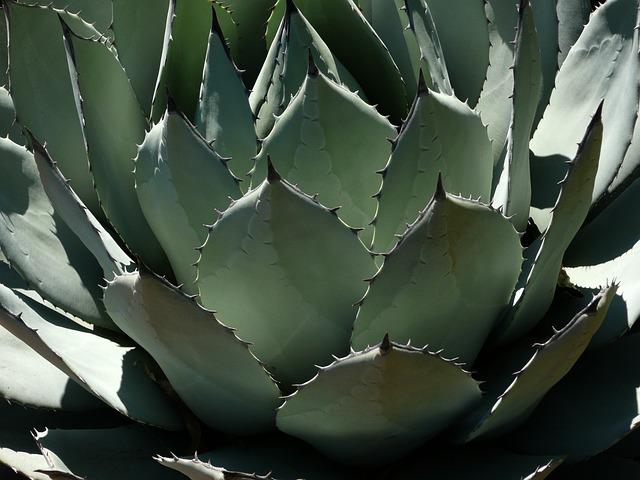
To understand the origins of tequila, we must focus on its star ingredient – the blue agave plant. This unique succulent not only sets tequila apart but also contributes to its enchanting flavor profile. Unlike whiskey, which primarily utilizes grains such as barley, corn, rye, or wheat, tequila relies on the distinctive sugars found within the heart of the agave plant, known as the piña.
To develop the flavors that make tequila an iconic drink, the harvested agave piñas undergo a meticulous process. The piñas are harvested, roasted, and crushed to extract their sugary juices, which are then fermented and distilled. This meticulous production method contributes to the smoothness and distinctive taste that tequila enthusiasts admire.
In conclusion, while tequila may not be a direct whiskey cousin, the world of spirits shares a fascinating tapestry of diverse production methods and unique ingredients. Tequila’s heritage lies in the robust flavors of the blue agave plant, setting it apart from the grain-based whiskey tradition. So, the next time you savor a smooth tequila sip, raise your glass to its distinctive heritage and embrace the vibrant flavors that make it simply one of a kind.
2. The Agave Connection: Understanding the Key Ingredient That Sets Tequila Apart
When it comes to tequila, there’s an important ingredient that sets it apart from other spirits: agave. This mesmerizing plant is the heart and soul of tequila production, making it a unique and intriguing cousin to whiskey. So, what exactly is the agave connection? Let’s dive in and uncover the secrets behind this extraordinary ingredient.
Agave 101: To truly understand the agave connection, we need to start with the basics. Agave is a succulent plant native to Mexico, known for its spiky leaves and sweet nectar. It takes years for an agave plant to mature before it’s ready to be harvested for tequila production. This patience and care in cultivation contribute to tequila’s rich and distinctive flavor profile.
Distilling the Difference: While both tequila and whiskey undergo fermentation and distillation processes, it’s the source of their sugars that sets them apart. While whiskey is typically made from grains like barley, corn, or rye, tequila relies solely on the natural sugars found in the agave plant. This unique source gives tequila its characteristic sweetness and smoothness, creating a distinct taste that whiskey simply can’t replicate.
- Variety is the Spice of Tequila: Just like whiskey, tequila comes in a wide range of styles and flavors to suit every palate. From Blanco (unaged and zesty) to Reposado (aged in barrels for at least two months, delivering a smoother profile), and Añejo (aged for at least one year, boasting rich and complex flavors), there’s a tequila for every occasion and personal preference. This versatility is yet another reason why tequila continues to gain popularity across the globe.
So, the next time you raise a glass of tequila, raise it with admiration for the agave connection that sets this spirit apart. From its slow growth to the unique distilling process, agave is the key ingredient that gives tequila its distinctive taste and enjoyable experience. Cheers to the wonders of tequila, a true member of the spirits family!
3. Distillation Techniques: Comparing the Intricate Art of Tequila and Whiskey Making
I recently had the opportunity to delve deeper into the fascinating world of distillation techniques, specifically comparing the intricate art of Tequila and Whiskey making. As a whiskey enthusiast, I was particularly intrigued to discover the similarities and differences between these two beloved spirits. What I uncovered left me with a newfound appreciation for Tequila and even questioning its classification as a whiskey cousin.
When it comes to the distillation process, both Tequila and Whiskey share some common ground. They are both crafted using a method known as pot distillation, which involves heating the fermented mash and collecting the vapor that rises. However, this is where the similarities end, as the ingredients and aging process take each spirit on a unique journey. Tequila is made primarily from the blue agave plant, while Whiskey typically consists of fermented grains like barley, corn, rye, or wheat.
Moreover, the aging process plays a crucial role in the flavor profiles of Tequila and Whiskey. Tequila is often aged in oak barrels for a shorter period, resulting in a smoother and fruitier taste. On the other hand, Whiskey is aged for longer durations, allowing it to develop a rich complexity and depth of flavors. These distinct characteristics make it clear that while Tequila and Whiskey may share some techniques, they are undoubtedly distinct spirits in their own right.
4. Flavor Spectrum: Discovering the Unique Taste Profiles of Tequila and Whiskey
In the fascinating world of spirits, tequila and whiskey stand out for their distinct flavors and rich histories. While tequila is often associated with vibrant parties and margaritas, whiskey is known for its smooth and sophisticated character. But did you know that these two beloved spirits may have more in common than meets the eye? Join me on a journey as we delve into the flavor spectrum of tequila and whiskey, uncovering the unique taste profiles that make them true culinary treasures.
When it comes to tequila, there is so much more to explore beyond the classic margarita. With its origins deeply rooted in Mexico, tequila boasts a range of flavor profiles that are as diverse as the country itself. From the earthy notes of agave to the hints of citrus and vanilla, tequila offers a complex taste experience that can rival any whiskey. This versatile spirit can be sipped neat, savored in a cocktail, or even used as a base for creative culinary concoctions. Whether you prefer the smooth and sweet reposado or the bold and smoky añejo, tequila has something for every palate to enjoy.
On the other hand, whiskey has a long and storied history that stretches back centuries, with different variations crafted in various parts of the world. From the peaty scotches of Scotland to the rich and spicy bourbons of America, whiskey has a distinctive flavor profile that is cherished by enthusiasts worldwide. Each whiskey has its own unique combination of grains, aging techniques, and distilling practices, resulting in a wide array of flavor profiles. Whether you appreciate the elegance of a single malt or the complexity of a blend, whiskey offers endless possibilities for exploration and enjoyment.
So, are tequila and whiskey truly cousins? While they may share certain similarities in terms of production methods and aging processes, their flavor profiles are distinct and reflect the unique ingredients and traditions used in their creation. While tequila is made from agave and primarily produced in Mexico, whiskey is typically made from grains and produced in various countries, including Scotland, America, Ireland, and Japan. However, both spirits offer a world of complex flavors and delicious surprises that are waiting to be discovered.
In conclusion, the flavor spectrum of tequila and whiskey is a mesmerizing journey of taste and discovery. From the earthy and vibrant notes of tequila to the rich and diverse flavors of whiskey, these spirits captivate our palates and ignite our senses. So, whether you prefer the warmth of whiskey or the zestiness of tequila, both offer a unique and flavorful experience that is worth exploring. Take a sip, savor the moment, and let your taste buds embark on an adventure they won’t soon forget. Cheers!
5. Aging Process: Unraveling the Effects of Barrels on Tequila and Whiskey Maturation
The aging process of tequila and whiskey is an intriguing journey that takes place inside the barrels. As these spirits mature, they develop distinctive flavors and characteristics that captivate the taste buds of enthusiasts around the world. But what exactly happens inside those barrels? Let’s unravel the effects of aging on tequila and whiskey maturation, and discover if tequila truly can be considered a whiskey cousin.
Oak and its Influence: Both tequila and whiskey rely on wooden barrels, typically made of oak, for aging. Oak barrels impart unique flavors and aromas to the spirits, thanks to the chemical compounds present in the wood. As tequila ages, it absorbs various elements from the oak, such as tannins, lignins, and vanillin, resulting in a smoother and more complex drink. Similarly, whiskey undergoes transformative changes as it soaks up the essence of the oak, with the wood providing a foundation of flavors like vanilla, caramel, and spice.
Time Matters: Patience is key when it comes to aging tequila and whiskey. Both spirits require an adequate amount of time in the barrel to fully develop their desired characteristics. While the aging process for tequila usually ranges from a few months to several years, whiskey can spend decades maturing in barrels. The length of aging plays a crucial role in the final product, as it determines the depth of flavor and the level of smoothness.
- Terroir and Regional Influence: Just like wine, the origin of the raw materials used in tequila and whiskey production can impact their aging process. Factors such as soil composition, climate, and altitude influence the flavors and overall profile of the spirits. Tequila, for example, thrives in the volcanic regions of Mexico, where the agave plants grow and absorb the unique terroir. Whiskey, on the other hand, can display distinct regional characteristics due to variations in the grains and water sources used during production.
In conclusion, the aging process is a crucial step in tequila and whiskey production. Through the interaction between the spirit and the oak barrels, flavors, complexities, and nuances are born. While tequila and whiskey are undoubtedly different spirits, they share similarities in their maturation process, making them distant yet fascinating cousins. So, next time you sip on tequila or whiskey, take a moment to appreciate the intricate journey they’ve embarked on inside those precious barrels. Cheers!
6. Cocktails and Pairings: Expert Recommendations to Enjoy Tequila and Whiskey in Harmony
Are you a whiskey aficionado looking to venture into the world of tequila? Or perhaps a tequila lover curious about the similarities between tequila and whiskey? Look no further, because we’re about to unveil the secrets of this intriguing relationship.
While tequila and whiskey may have distinct flavors and origins, they do share some common grounds that make them delightful companions. Both spirits undergo a meticulous aging process, allowing their flavors to mature and develop complexity. This aging process plays a vital role in defining the unique characteristics of both tequila and whiskey.
So, how can you explore the remarkable marriage between tequila and whiskey? Here are some expert-recommended cocktails and pairings that will elevate your drinking experience:
The Harmony Blend: This cocktail combines the smoky flavors of whiskey with the vibrant charm of tequila. Start by pouring a measure of your favorite whiskey into a glass, followed by a splash of aged tequila. Add a few drops of honey or agave syrup to balance the flavors, garnish with a twist of lemon, and voila! You’ve created a harmonious blend of these two enchanting spirits.
The Whiskey Twist: If you’re a devoted whiskey lover looking for an exciting twist, try infusing your favorite whiskey with a touch of tequila. Simply pour your desired amount of whiskey into a bottle and add a small amount of tequila. Let the mixture rest for a few days to allow the flavors to meld. The result? A delightful and unexpected transformation that unveils new dimensions of your beloved whiskey.
- The Perfect Pairing: When it comes to pairing these two spirits, the possibilities are endless. Whiskey’s bold and robust nature pairs exquisitely with the earthy tones of a Reposado tequila. Its balanced sweetness complements the smoky undertones of a peaty Scotch whisky, creating a match made in heaven. Whether you’re savoring a fine meal or indulging in a casual gathering, the perfect tequila and whiskey pairing will elevate any occasion.
In conclusion, while tequila and whiskey may seem like distant cousins, their shared characteristics create a fascinating world of flavors to explore. With these expert recommendations, you can embark on a journey of discovering the harmony between tequila and whiskey, one sip at a time. Get ready to delight your taste buds and expand your libation horizons with these remarkable spirits. Cheers!
7. Mixology Magic: Learning to Incorporate Tequila and Whiskey in Innovative Drink Recipes
Tequila and whiskey have long been staples in the world of spirits, each with its own distinct flavor profile and loyal fan base. But have you ever wondered if these two beloved liquors are more closely related than meets the eye? While they may share some similarities, it’s important to note that tequila and whiskey have their own unique qualities that set them apart.
Tequila, a spirit derived from the blue agave plant, is known for its vibrant, earthy taste with hints of citrus. It has a rich history dating back to the ancient Aztecs, who believed it to be a divine elixir. On the other hand, whiskey, often made from fermented grains like barley or corn, offers a wide range of flavors, from smoky and peaty to smooth and oaky.
While both tequila and whiskey undergo a fermentation and distillation process, their key differences lie in the ingredients used and the aging methods employed. Tequila must be made from agave plants grown in specific regions of Mexico, while whiskey can be produced in various countries using different grains. Tequila also has a shorter aging period, typically ranging from a few months to three years, while whiskey can be aged for several years to develop its complex flavors.
When it comes to mixing tequila and whiskey in innovative drink recipes, the possibilities are endless. Adding a tequila twist to classic whiskey cocktails can create exciting new flavor profiles and open up a whole world of creative possibilities. From smoky tequila old fashioneds to citrusy whiskey margaritas, experimenting with these two spirits can take your mixology skills to new heights.
In conclusion, while tequila and whiskey may share some similarities, they are truly distinct spirits that offer their own unique taste experiences. Mixing these two spirits in innovative drink recipes can result in exciting flavor combinations that will impress your friends and elevate your cocktail game. So go ahead, grab your favorite tequila and whiskey bottles, and let your creativity flow as you embark on a mixology adventure like no other. Cheers!
8. Popularity and Consumption: Analyzing the Global Trends of Tequila and Whiskey Consumption
Tequila and whiskey have long been regarded as staples in the world of spirits, each with its own unique characteristics and dedicated fanbase. But have you ever wondered if there could be a connection between these two popular drinks? Today, we’re diving into the intriguing notion that tequila might just be the cousin of whiskey.
While tequila and whiskey may seem worlds apart, they actually share some surprising similarities. Both are distilled spirits that undergo a fermentation and aging process to develop their distinct flavors. Additionally, they both have a rich history and cultural significance, with tequila being the national drink of Mexico and whiskey deeply rooted in the traditions of Ireland and Scotland.
One key point of divergence, however, lies in their base ingredients. Tequila is made from the blue agave plant, whereas whiskey typically derives from grains like barley, corn, rye, or wheat. This distinction is what gives each spirit its unique taste profile, making them stand out in their own right.
Tequila vs. Whiskey: A Taste Test
So, how do these two spirits compare in terms of flavor? Let’s break it down:
- Tequila: known for its vibrant and distinctive taste, tequila boasts notes of agave, citrus, and pepper. It can be enjoyed neat, in cocktails like the classic Margarita, or even used as a flavorful addition to dishes.
- Whiskey: with its wide range of styles, whiskey offers a diverse array of flavors. From the smoky and peaty notes of Islay Scotch to the smooth vanilla and caramel undertones of bourbon, there’s a whiskey to suit every palate.
While they may not be siblings, tequila and whiskey certainly share a place in our hearts (and glasses). So why not try a tequila twist on your next whiskey adventure? Whether you’re sipping a smoky scotch or enjoying a tequila sunrise, these spirits have a way of bringing people together and creating unforgettable moments.

9. A Growing Market: Examining the Rise of Tequila as a Preferred Choice for Whiskey Lovers
Tequila, the fiery spirit originating from Mexico, has been gaining popularity among whiskey lovers around the world. Its complex flavors and unique production process make it an intriguing alternative to the traditional whiskey choices. Many people might wonder, how can tequila, an agave-based spirit, be compared to whiskey? Let’s dive into the fascinating world of tequila and explore its similarities and differences to its whiskey cousin.
While whiskey is typically made from grains such as barley, corn, rye, or wheat, tequila is derived from the blue agave plant. This distinct ingredient gives tequila its signature taste, packed with earthy notes and a sweet, fruity undertone. Just like whiskey, tequila also undergoes an aging process, although in different types of barrels. From Reposado to Añejo, tequila matures in oak barrels to enrich its flavors with hints of vanilla, caramel, and spices, similar to how whiskey develops its complexity.
Another aspect that sets tequila apart from whiskey is its production method. Tequila is crafted through a meticulous process involving harvesting, cooking, fermentation, and distillation. One fascinating technique employed in tequila production is the traditional tahona wheel, where a large stone wheel crushes the cooked agave to extract its juice. This ancient method adds character and depth to the final product, making tequila a truly unique spirit.
So, can we consider tequila a whiskey cousin? While they certainly share some similarities in terms of aging, maturation, and complex flavors, tequila has carve its own distinct path within the spirits world. Whether you’re already a whiskey lover or a curious adventurer seeking a new flavor experience, embracing the tequila twist might just be the spark that ignites your passion for this exceptional spirit.
10. Connoisseur’s Corner: Tips for Developing an Appreciation for Tequila and Whiskey alike
Tequila Twist: Is Tequila Truly a Whiskey Cousin?
Tequila and whiskey, two beloved spirits with unique flavors and rich histories. While they may seem worlds apart, there are intriguing similarities that make tequila a fascinating addition to any whiskey lover’s collection. Let’s explore some key points that highlight the surprising connections between these two spirits.
1. Agave vs. Grain
One fundamental difference between tequila and whiskey lies in their core ingredients. Tequila is made from the blue agave plant, which gives it a distinctive earthy and slightly sweet flavor. On the other hand, whiskey is typically produced from grains such as barley, corn, rye, or wheat, resulting in a wide range of flavors depending on the type of grain used. Despite the difference, both spirits undergo fermentation and aging processes that enhance their unique tastes.
2. Barrel Aging
Just like whiskey, tequila can also be aged in oak barrels, adding complexity and depth to its flavor profile. Aged tequilas, known as “reposados” or “añejos,” spend time maturing in these wooden casks, giving them rich, caramel notes and a smooth, velvety finish. This aging process shares similarities with whiskey production, where the spirit gains character from the barrels it ages in. So, if you appreciate the nuances brought about by barrel aging in whiskey, you’ll certainly enjoy exploring the world of aged tequilas as well!
3. Sipping and Pairing
Although traditionally associated with shots and cocktails, tequila can be sipped and savored much like whiskey. Just like whiskey enthusiasts, tequila connoisseurs value the subtleties in aroma, taste, and finish. From floral and fruity notes to hints of vanilla and spices, you’ll discover a wide range of flavors in tequila that will engage your taste buds in a similar manner to whiskey. Don’t forget to pair your tequila with complementary foods, such as rich chocolate for añejos or tangy citrus for blanco tequilas, to enhance your sipping experience.
In conclusion, while tequila may not be directly related to whiskey in terms of ingredients or production, their shared characteristics create a fascinating connection that cannot be ignored. Both spirits offer a world of complexity and nuance that can be explored and appreciated by enthusiasts alike. So, next time you’re in the mood for a whiskey tasting, why not invite a bottle of tequila to the party and experience the delightful twist it brings to your tasting journey?
In conclusion, we have embarked on a fascinating journey through the world of tequila and its intricate relationship with whiskey. As we delved into the depths of this spirited debate, we discovered that while tequila may share certain characteristics with its whiskey cousin, it ultimately stands proudly on its own unique merits.
Through our exploration, we learned that both tequila and whiskey are distilled spirits, crafted with unwavering passion and expertise. Their production processes may differ, but they converge on one essential aspect: the art of aging. While whiskey matures patiently in oak barrels, tequila embraces its own aging method, intertwining the flavors of agave with the embrace of time.
However, beyond the realm of aging, tequila’s essence lies in its signature ingredient: the Blue Weber agave. This remarkable plant, hailing from the highlands and lowlands of Mexico, sets tequila apart from all other spirits. Its flavor profile, ranging from sweet and floral to earthy and herbaceous, creates a distinctive drinking experience that awakens the palate and captivates the senses.
As we pondered the countless expressions and styles of both tequila and whiskey, it became apparent that while they evoke a shared passion among enthusiasts, they offer entirely unique taste profiles. Whiskey’s rich caramel notes and robust smokiness stand in contrast to tequila’s bright citrus flavors and complex agave bouquet. Each delivers its own memorable drinking experience that caters to diverse palates and preferences.
Ultimately, whether sipping on a fine tequila or indulging in a glass of whiskey, what truly matters is the pleasure one derives from these remarkable spirits. Embracing their distinct qualities and celebrating their differences allows us to fully appreciate both tequila and whiskey for what they are: masterfully crafted works of art.
So, friends and fellow aficionados, let us raise our glasses high – a toast to the wonders of tequila, and to the enigmatic bond it shares with its whiskey cousin. May our passion for these glorious spirits continue to deepen, as we savor every spirited twist and turn on this intoxicating journey. Cheers!
Get our latest guides, news, and insights highlighted in your Google Search & AI Overviews.