Whiskey Barrel Height: The Tall Tale

In the world of whiskey, barrels carry a certain mystique. The aging process, influenced by the barrel’s characteristics, can be as crucial as the distillation itself. But have you ever wondered about the height of these iconic vessels and how it affects our beloved amber liquid? Welcome to a journey where we explore the tall tale of whiskey barrel height, unearthing the secrets it holds and diving into the science and art behind this seemingly small detail. So, grab your favorite glass, sit back, and allow me to share my knowledge and passion for whiskey barrel heights with you. Let’s uncork the mystery together.
1. Exploring the Influence of Barrel Height on Whiskey Maturation
Have you ever wondered how barrel height can affect the maturation process of whiskey? It may seem like a tall tale, but the height of a whiskey barrel can actually have a significant impact on the final flavor and character of the spirit.
When whiskey is aged in barrels, it undergoes a process called maturation, where it takes on flavors and aromas from the wooden barrel. The height of the barrel plays a crucial role in this process.
One way that barrel height influences the maturation process is through the amount of contact the whiskey has with the wood. A taller barrel allows for more surface area of the whiskey to come into contact with the wood, resulting in a greater extraction of flavors. This means that whiskey aged in taller barrels may have a richer and more complex flavor profile.
Furthermore, the height of the barrel can also impact the rate at which the whiskey ages. A taller barrel may have less contact with the air, resulting in a slower maturation process. This can allow the whiskey to develop more nuanced flavors over a longer period of time.
In conclusion, the influence of barrel height on whiskey maturation is no tall tale. It is a fascinating aspect of the aging process that can greatly impact the flavor and character of the final product. Whether it’s a shorter barrel for a more concentrated flavor or a taller barrel for a more complex profile, the height of the barrel plays a crucial role in the art of whiskey maturation.
2. The Art of Choosing the Perfect Barrel Height for Your Whiskey Aging Process
When it comes to the art of whiskey aging, choosing the perfect barrel height is crucial. The height of the barrel plays a significant role in determining the flavor profile and character of the whiskey. It may sound like a tall tale, but trust me, it’s true!
Firstly, let’s debunk the misconception that barrel height doesn’t matter. In reality, it can make all the difference. The height of a barrel affects the surface area of contact between the whiskey and the wood. The larger the surface area, the more interaction there is, resulting in a more pronounced and complex flavor.
So, how do you choose the perfect barrel height? Here are a few key factors to consider:
- The aging time: Different barrel heights can influence the aging process differently. A taller barrel may provide a slower aging process, allowing the whiskey to develop more depth and complexity over time. On the other hand, a shorter barrel could expedite the aging process, resulting in a smoother and milder flavor.
- The desired flavor profile: Think about the flavors you want to infuse into your whiskey. If you’re aiming for rich, oak-driven characteristics, a taller barrel with more surface area might be your best bet. Alternatively, if you prefer a lighter and fruitier profile, a shorter barrel could help you achieve that.
- Your personal preference: Ultimately, your own taste and preference should guide your decision. Experimentation is key in finding the perfect barrel height for your whiskey. Don’t be afraid to try different options and note the subtle variations in taste.
Remember, the art of choosing the perfect barrel height may require some trial and error, but the end result is worth it. So, next time you embark on your whiskey aging journey, keep in mind that the height of your barrel is an essential ingredient in creating a truly exceptional spirit.
| Barrel Height | Aging Time | Flavor Profile |
|---|---|---|
| Tall Barrel | Longer | Rich, complex, oak-driven |
| Medium Barrel | Moderate | Balanced, nuanced |
| Short Barrel | Shorter | Light, fruity, smooth |
So, next time you find yourself pondering over the perfect barrel height, remember that it’s not just a tall tale. It’s a crucial decision that could elevate your whiskey to a whole new level of flavor and complexity. Happy aging!

3. Unveiling the Secrets Behind Tall Versus Short Whiskey Barrels
Have you ever wondered why some whiskey barrels are taller than others? It turns out that barrel height actually plays a crucial role in the whiskey-making process, affecting everything from flavor profile to aging time. In this post, we will unveil the secrets behind tall versus short whiskey barrels and explore why height matters when it comes to crafting that perfect glass of whiskey.
One of the main factors that differentiates tall from short whiskey barrels is the amount of contact the whiskey has with the barrel’s interior surface area. A taller barrel provides more room for the whiskey to interact with the wood, allowing for greater depth of flavor and enhanced maturation. On the other hand, shorter barrels have less surface area, resulting in a lighter and milder whiskey.
Another important aspect to consider is the aging process. Tall barrels allow the whiskey to age for a longer period of time, as the liquid has to travel through a greater distance before it is ready for bottling. This extended maturation contributes to the complexity and richness of the final product. Conversely, shorter barrels produce a younger whiskey, perfect for those who prefer a fresher and more vibrant taste.
So, how do you choose between tall and short whiskey barrels? Ultimately, it depends on your personal preference. If you enjoy a bolder, more intense flavor with a longer aging process, tall barrels are the way to go. On the other hand, if you prefer a smoother, lighter whiskey that matures more quickly, short barrels are the ideal choice. Whichever you choose, remember that the height of the barrel holds the key to unlocking the secrets behind each sip of whiskey.
Key points to remember:
- Tall barrels offer more surface area for whiskey to interact with the wood, resulting in a deeper flavor profile.
- Short barrels produce a lighter and milder whiskey due to less contact between the liquid and the wood.
- Tall barrels allow for longer aging, resulting in a more complex and rich final product.
- Short barrels produce a younger whiskey with a fresher and more vibrant taste.
- Choosing between tall and short barrels depends on personal preference.
Comparison of Tall and Short Whiskey Barrels:
| Attribute | Tall Barrels | Short Barrels |
|---|---|---|
| Flavor | Bolder and more intense | Lighter and milder |
| Aging Time | Longer aging process | Shorter aging process |
| Complexity | More complex and rich | Youthful and vibrant |
4. Enhancing Flavors: How Barrel Height Can Impact Whiskey Profile
As a whiskey enthusiast, you may already know that the type of barrel used during the aging process can greatly influence the flavor and character of the spirit. But have you ever considered how barrel height can play a role in shaping the whiskey’s profile? It’s time to dive into this intriguing aspect of whiskey production.
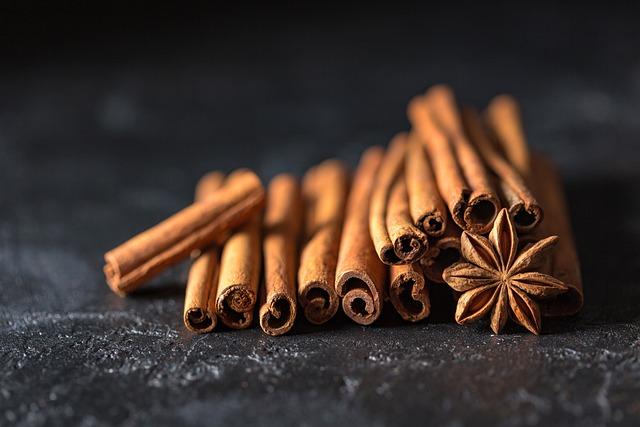
Barrel height is a fascinating yet often overlooked factor that can bring out unique flavors in whiskey. Tall barrels, for instance, provide a greater surface area for the liquid to interact with the wood, resulting in more intense and complex flavors. This extra exposure to the wood imparts distinct notes of vanilla, cinnamon, and even hints of leather, creating a rich and robust whiskey profile.
On the other hand, shorter barrels offer a more controlled maturation process. The smaller surface area allows for slower extraction of flavors, resulting in a smoother and well-balanced whiskey. These barrels tend to bring forth subtle undertones of caramel, honey, and toasted nuts, enhancing the whiskey with a delicate sweetness and a velvety finish.
Benefits of Different Barrel Heights:
- Tall Barrels:
- Intense and complex flavors
- Notes of vanilla, cinnamon, and leather
- Rich and robust profile
- Short Barrels:
- Controlled maturation process
- Smooth and well-balanced whiskey
- Subtle undertones of caramel, honey, and toasted nuts
Now that you know how barrel height can impact the flavor profile of whiskey, you can truly appreciate the craft and attention to detail that goes into creating each unique blend. Whether you prefer the bold and complex notes of tall-barreled whiskeys or the smooth and refined qualities of shorter-barreled varieties, understanding this aspect adds an exciting dimension to your whiskey tasting experience.
5. Understanding the Relationship Between Barrel Height and Oxygen Exchange
When it comes to whiskey-making, it’s no secret that the barrel plays a crucial role in crafting the perfect flavor profile. But did you know that the height of the barrel can actually impact the whiskey’s oxygen exchange? It may sound like a tall tale, but it’s true!
So how does barrel height affect oxygen exchange? Well, it all comes down to surface area. A taller barrel has more surface area compared to a shorter one, which allows for increased interaction between the whiskey and the air inside the barrel. This contact with oxygen is essential for the aging process, as it helps to develop complex flavors and aromas.
But that’s not all. Barrel height also influences the rate of oxygen exchange. A taller barrel allows for a slower and more controlled exchange, while a shorter barrel accelerates the process. This means that whiskey aged in a taller barrel tends to have a smoother and more refined taste, while whiskey aged in a shorter barrel may develop a bolder and more intense profile.
To summarize, the height of the whiskey barrel is no mere detail. It plays a significant role in determining the flavors and aromas that will develop during the aging process. So the next time you savor a glass of whiskey, take a moment to appreciate the tall tale behind its barrel height and the wonderful impact it has on your drinking experience.
6. Beyond Tradition: Breaking the Rules with Non-Standard Whiskey Barrel Heights
Whiskey Barrel Height: The Tall Tale
When it comes to whiskey production, tradition often reigns supreme. However, in recent years, a new trend has been emerging in the world of whiskey barrels: non-standard heights. Distilleries are breaking the rules and experimenting with barrels that go beyond the traditional sizes, resulting in unique flavors and maturation processes.
Why limit ourselves to the conventional barrel heights when there is so much potential waiting to be tapped? By deviating from tradition, distillers are able to manipulate the aging process and create a truly distinct whiskey experience. Here are a few reasons why non-standard barrel heights are making waves in the whiskey world:
1. Enhanced Flavor Profiles: Different barrel heights expose the whiskey to varying amounts of wood, which influences the flavors extracted from the barrels. Higher barrels, for example, allow for increased interaction with the wood, resulting in more pronounced oak notes. Conversely, shorter barrels might produce a smoother and milder taste.
2. Innovative Maturation Techniques: Non-standard barrel heights offer distillers the opportunity to experiment with maturation techniques. For instance, taller barrels can be stacked vertically, providing a greater capacity for aging multiple batches simultaneously. This opens up a world of possibilities for blending and marrying various whiskey expressions.
3. Artistic Expression: Breaking the rules with non-standard barrel heights allows distillers to unleash their creativity and challenge conventions. Just like a painter with a fresh canvas, they can craft a whiskey that pushes boundaries and surprises even the most seasoned connoisseurs.
In the end, whiskey lovers are the true beneficiaries of this unconventional approach. Non-standard barrel heights breathe new life into the world of whiskey, offering exciting flavor profiles and endless possibilities. So, the next time you raise a glass of unconventional whiskey, savor the taste and appreciate the creativity that went into breaking the rules. After all, who said tradition couldn’t be reimagined?
7. Unconventional Heights: Unique Aging Opportunities for Whiskey Connoisseurs
Whiskey Barrel Height: The Tall Tale
When it comes to aging whiskey, traditional methods are often lauded for their ability to bring out the rich flavors and smoothness that connoisseurs crave. However, there’s a growing trend in the world of whiskey that’s taking a curious turn – unconventional heights for aging barrels. Distilleries across the globe are exploring unique opportunities to age their whiskeys in barrels of varying sizes, from towering heights to compact sizes, offering new and exciting taste profiles for the discerning palate.
One might wonder how the height of a whiskey barrel can affect the aging process and ultimately the taste of the spirit. Well, let me tell you, it’s a fascinating tale. When whiskey is aged, its interaction with the wood of the barrel plays a crucial role in developing its flavor. The longer the spirit stays in contact with the wood, the more flavors it absorbs. Now imagine if we could accelerate this process by increasing the surface area of the spirit and the wood interaction. This is where barrel height comes into play.
By utilizing taller barrels, distilleries are able to maximize the contact between the whiskey and the wood. The extra height allows for a greater volume of whiskey to come in contact with the inner surface area of the barrel, facilitating deeper flavor penetration. This innovative method results in a whiskey that boasts intensified notes of oak, caramel, and vanilla, creating an exceptional sipping experience that traditional aging methods may struggle to replicate.
So, next time you find yourself exploring the world of whiskey, be on the lookout for those unconventional heights. They may just hold the key to unlocking a whole new realm of flavors and aging opportunities that will leave your taste buds begging for more.

8. Unlocking the Potential: Customizing Barrel Heights for Experimental Whiskey Aging
When it comes to whiskey aging, the barrel is more than just a container. It is an essential tool that contributes significantly to the flavor and character of the final product. In our quest to unlock the potential of experimental whiskey aging, we have delved into the fascinating world of barrel heights and their impact on the maturation process.
Traditionally, whiskey barrels come in standard sizes, but we believe that customization holds the key to unparalleled flavors and unique tasting profiles. By varying the barrel heights, we are able to create an environment that is tailored to the specific characteristics of each whiskey, allowing it to develop its full potential.
Customizing barrel heights offers a range of exciting possibilities. By increasing the height, we can create greater surface area contact, resulting in a more efficient extraction of flavors and a faster aging process. Alternatively, reducing the height provides a smaller surface area contact, allowing for a slower, more nuanced maturation.
In our experiments, we have found that different barrel heights can emphasize certain flavor notes, such as rich caramel or subtle vanilla, giving rise to a truly unique tasting experience. By carefully selecting and customizing barrel heights, we are able to push the boundaries of whiskey aging, creating expressions that captivate the palate and delight the senses.
Custom Barrel Heights and Tasting Profiles:
| Barrel Height | Tasting Profile |
|---|---|
| Tall | Rich, bold, and full-bodied |
| Medium | Smooth, balanced, and approachable |
| Short | Delicate, nuanced, and refined |
At [Whiskey Distillery Name], we are proud to be pioneers in the realm of customizing barrel heights for experimental whiskey aging. Our passion for innovation and dedication to craftsmanship drive us to push the boundaries, always seeking the next breakthrough in flavor exploration. Stay tuned as we unveil our latest creations, each one a testament to the untapped potential of whiskey barrel heights.
9. The Perfect Balance: Adjusting Barrel Height to Achieve Whiskey Nirvana
Whiskey enthusiasts often debate about the various factors that contribute to achieving the perfect pour. One aspect that is often overlooked, yet plays a significant role, is the height at which the whiskey barrel is stored. As a passionate whiskey connoisseur, I’ve delved into the world of barrel height and discovered that it can truly make a difference in unlocking the full potential of your favorite spirit.
The Science behind Barrel Height
Believe it or not, the height at which a whiskey barrel is placed can impact the aging process and ultimately affect the flavor profile of the whiskey. Here’s what you need to know:
- Aerobic vs Anaerobic Aging: Placing the barrel at a higher height exposes the whiskey to more oxygen, leading to a faster aging process. Conversely, lower barrel heights create a more anaerobic environment and slower aging. Both methods have their merits, but finding the perfect balance is key.
- Temperature Variation: Different heights can expose the barrel to varying temperatures, influencing the chemical reactions that take place during maturation. Higher heights might experience more temperature fluctuations, resulting in a more dynamic flavor profile.
- Wood Contact: Barrel height can affect the surface area of whiskey in contact with the wood. A higher position allows for greater interaction, enhancing the extraction of flavors and imparting unique characteristics to the final product.
Finding Your Whiskey Nirvana
Now, the burning question is: how do you determine the optimal barrel height for your whiskey? Unfortunately, there’s no one-size-fits-all answer. It largely depends on the specific characteristics you’re looking for in your favorite dram. However, through experimentation and careful observation, you can start to unveil your whiskey nirvana.
| Barrel Height | Aging Duration | Characteristics |
|---|---|---|
| High | Shorter | Bright, lively, and fruit-forward |
| Medium | Moderate | Well-rounded, balanced, and complex |
| Low | Longer | Rich, deep, and oak-driven |
Remember, experimenting with barrel height should be approached with curiosity and an open mind. Taste and preference are subjective, so don’t be afraid to trust your own palate when determining the ideal height for your whiskey. Whether you prefer a zesty burst of flavors or a deep, woody embrace, adjusting barrel height could just be the missing piece in your pursuit of whiskey perfection.

10. Mastering the Science: Studying Barrel Height’s Role in Whiskey Maturation
Whiskey Barrel Height: The Tall Tale
Have you ever wondered why the height of a whiskey barrel is so important in the maturation process? Well, buckle up as we dive deep into the science behind it and uncover the mysteries behind this age-old tradition.
1. A Heightened Influence:
It turns out that the height of a whiskey barrel plays a crucial role in how the whiskey matures over time. You see, as whiskey ages, it interacts with the wood of the barrel, extracting flavors and developing its unique character. But did you know that the height of the barrel can actually intensify these interactions? With a taller barrel, the whiskey has a longer distance to travel through the wood, allowing for a more subtle and complex flavor profile to develop. It’s like taking a scenic route instead of rushing through the highway!
2. Balancing the Elements:
In addition to the influence on flavors, barrel height also affects the interaction of oxygen with the whiskey. Oxygen is a key player in the maturation process, as it helps to mellow out the harsh edges of the spirit and create a smoother taste. With a taller barrel, the surface area to volume ratio is increased, resulting in more oxygen permeating through the wood. This delicate balance between oxygen exposure and whiskey maturation is what gives each bottle its distinct character and the perfect harmony of flavors.
So, the next time you savor a glass of whiskey, take a moment to appreciate the barrel height that contributed to its exquisite taste. It’s a small detail that makes a big difference in the world of whiskey maturation. Cheers to the art and science behind every drop! In conclusion, the whiskey barrel height debate has proven to be quite the tall tale. Through our exploration of the topic, it is clear that there is no definitive answer to determine the ideal height of a whiskey barrel. While tradition may suggest one thing, modern techniques and scientific advancements bring forth another perspective.
Ultimately, the decision on barrel height rests in the hands of the distillers, who possess the knowledge, expertise, and discerning palate to create exceptional spirits. It is they who understand how different barrel sizes can affect the maturation process and the impact it has on the final product.
Regardless of the height, what truly matters is the craftsmanship and artistry that goes into each barrel, and the expertise required to extract the desired flavors and characteristics from the wood. Every distillery will have its own unique approach, and it is this diversity that adds to the richness and excitement of the whiskey world.
So, the next time you savor a glass of whiskey, take a moment to appreciate the journey it endured within those barrels – regardless of their height. Embrace the multitude of flavors and nuances that result from the beautiful marriage of wood and spirit, knowing that each sip is a testament to the skill and passion of the distiller.
In the ever-evolving world of whiskey, let us raise our glasses to the ongoing pursuit of knowledge, the celebration of tradition, and the art of crafting exceptional spirits. Cheers to the intriguing mystery of barrel height, and the delicious whiskies that continue to captivate our senses.