Worst Scotch Whiskies: Tasting Experience Turn-offs
As an avid Scotch whisky enthusiast, I have dedicated countless hours to exploring the world of this celebrated spirit. From peaty Islay drams to smooth Highland malts, I have experienced a wide range of flavors and aromas that have left me in awe. However, every so often, I stumble upon a bottle that elicits a less than delightful tasting experience. In this article, we will delve into the realm of those unfortunate whiskies that have earned themselves a place on the list of the worst. Join me as I share my personal journey through the realms of taste turned-off, unraveling the reasons behind these disappointments, and shedding light on what you might want to avoid in your own whisky endeavors. Let’s dive into the world of the worst Scotch whiskies and discover the tasting experiences that fall short of what we enthusiasts crave.
1. Unpleasant Aromas: Identifying Off-putting Notes in Scotch Whiskies
Unpleasant aromas can be a major turn-off when it comes to enjoying a good Scotch whisky. The experience of savoring a dram can be easily marred by off-putting notes that leave a lasting impression. As a seasoned Scotch enthusiast, I’ve encountered my fair share of whiskies with unappealing aromas, and I’m here to share my experiences and insights with you.
One particular note that I find particularly off-putting is the scent of musty cardboard. It’s as if the whisky has been stored in a damp basement for years, leaving behind a stale and moldy aroma. This aroma can be indicative of poor cask management or improper storage conditions, which ultimately affects the flavor profile of the whisky.
Another scent that I find quite unpleasant is the whiff of sulfur. It’s a bit like rotten eggs or burnt matches, and it can completely ruin the tasting experience. While some may argue that a hint of sulfur can add complexity to certain whiskies, an overpowering sulfur aroma is often a sign of poor distillation practices or the use of low-quality ingredients.
Lastly, and perhaps the most divisive, is the notorious "farmyard" aroma. Described by some as a combination of wet hay, manure, and even sweat, this scent is often associated with peated whiskies. While some whisky enthusiasts revel in this earthy and rustic character, others find it overwhelming and off-putting.
In conclusion, understanding and identifying unpleasant aromas in Scotch whiskies is essential for avoiding disappointments and making informed choices. While personal preferences may vary, it’s important to be aware of these off-putting notes and their potential impact on your tasting experience. So, the next time you find yourself exploring the world of whiskies, keep an eye (or rather, a nose) out for these undesirable aromas and make your selection wisely.

2. Harsh and Bitter: Navigating the World of Overly Peaty Whiskies
When it comes to the world of Scotch whiskies, there’s a fine line between smoky and overpowering. For those who aren’t fans of peaty flavors, a dram of overly peaty whisky can be a true turn-off. These whiskies are known for their strong, earthy aromas and intense smoky flavors, which can be quite off-putting if you’re not accustomed to them. But fear not, fellow whisky enthusiasts! Here are a few tips to help you navigate your way through the world of overly peaty whiskies and find ones that suit your taste buds.
Differentiating between smoke and peat
Before we dive into the tasting experience turn-offs, let’s clarify the difference between smoke and peat. While the terms are often used interchangeably, they actually refer to two distinct characteristics of whisky. Smoke is a flavor derived from burning peat, while peat itself is an organic material found in the ground. The level of peatiness in whisky can vary greatly, with some whiskies boasting just a hint of smokiness and others hitting you with an overwhelming peat punch. Understanding this difference is key to navigating the world of peaty whiskies.
Off-putting flavors to watch out for
Now, let’s get down to the nitty-gritty of tasting experience turn-offs. While some whisky enthusiasts revel in the heavy peatiness, others find certain flavors associated with this style to be harsh and bitter. Here are a few off-putting flavors to watch out for:
- Medicinal notes: Some heavily peated whiskies can have a distinctive medicinal or band-aid-like flavor, which is not to everyone’s liking.
- Overpowering smokiness: If the smokiness in a whisky is too intense, it can overpower other flavors and give a one-dimensional experience.
- Excessive iodine: Whiskies with high levels of peat often exhibit iodine-like flavors, reminiscent of a coastal breeze. However, if this flavor is too pronounced, it can overshadow other subtleties.
Remember, taste is subjective, and what might be a turn-off for one person could be the highlight for another. But armed with the knowledge of differentiating between smoke and peat, as well as being aware of potential turn-off flavors, you can confidently navigate the world of overly peaty whiskies and find your own personal favorites.
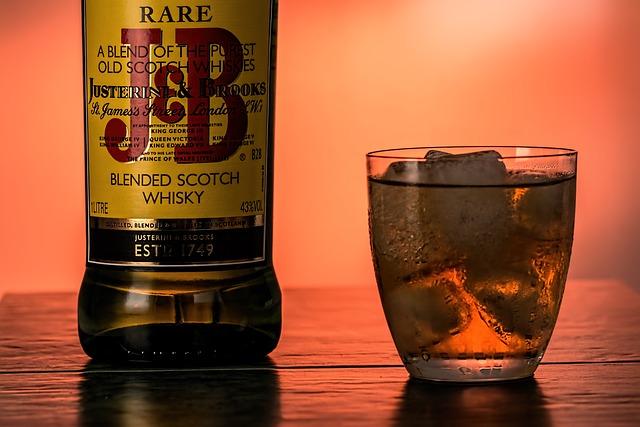
3. Lackluster Complexity: Exploring Scotch Whiskies with Limited Flavors
Picture this: you’re eagerly awaiting the moment when you finally taste that exquisite Scotch whisky you’ve heard so much about. The anticipation is overwhelming, but as the liquid touches your lips, disappointment washes over you. The complexity you expected is absent, and the flavors are disappointingly limited. This is a tasting experience turn-off that no whisky enthusiast wants to encounter.
Scotch whiskies are renowned for their rich and diverse flavor profiles, ranging from smoky and peaty to fruity and floral. However, there are certain single malts and blends out there that fail to deliver on this promise, leaving you with a lackluster experience. These whiskies often fall short in terms of complexity, where the flavors simply do not unfold and engage your palate.
What makes a Scotch whisky lacking in complexity? It could be a result of poor aging techniques, where the flavors fail to develop and integrate over time. Additionally, the selection of casks used during maturation plays a crucial role in shaping the taste of the whisky. Insufficient or inappropriate cask choices can lead to a limited flavor spectrum. Whether it’s the absence of layers, depth, or balance, exploring these lackluster whiskies can be a disappointing quest for those seeking a truly remarkable tasting experience.
If you’re a whisky lover like myself, you understand that a lack of complexity can be a major turn-off. Exploring Scotch whiskies with limited flavors can be akin to tasting a flat soda – it just doesn’t deliver that desired explosion of flavors and sensations on your palate. But fear not, for there are countless other remarkable whiskies out there that will captivate and enthrall your taste buds with their complexity and depth.
4. Inconsistent Quality: Understanding the Frustrations of Uneven Distillation
When it comes to enjoying a good Scotch whisky, there’s nothing more disappointing than encountering inconsistent quality. Uneven distillation can turn what should be a tantalizing tasting experience into a series of turn-offs. Let’s delve deeper into the frustrations that arise from this lack of consistency, so you know what to watch out for.
1. Fluctuating Flavors: One of the primary indicators of inconsistent distillation is the presence of fluctuating flavors in a bottle of Scotch whisky. When each sip brings a different combination of tastes and aromas, it can be incredibly frustrating. Instead of enjoying a reliable and balanced flavor profile, you’re left feeling like each pour is a gamble.
2. Unstable Mouthfeel: Another characteristic of uneven distillation is an unstable mouthfeel. This means that the texture of the whisky can vary from one bottle to the next. You might find that one batch is silky smooth, while another feels harsh and rough on your palate. This unpredictability can take away from the overall pleasure of savoring a fine Scotch.
3. Incomplete Maturation: Uneven distillation can also result in incomplete maturation. When the whisky has not aged properly, it lacks the depth and complexity that defines a truly exceptional Scotch. Instead, you’re left with a subpar product that fails to deliver on the promise of a truly matured and refined spirit.
To truly enjoy the experience of sipping on a superior Scotch whisky, it’s important to be aware of the frustrations that can arise from inconsistent quality. By understanding the impact of uneven distillation, you can make more informed choices and ensure that the bottles you select offer a consistently high level of enjoyment.
5. Unbalanced Finish: Dissecting the Aftertaste of Mediocre Scotch Whiskies
When it comes to Scotch whiskies, the finish can make or break the tasting experience. A well-balanced aftertaste can leave you with notes of subtle complexity and a lingering satisfaction, while a mediocre one can be a major turn-off. In this post, we dive deep into the unbalanced finishes of the worst Scotch whiskies, uncovering the details that make them fall short.
1. Bitter Overload: One common flaw in subpar Scotch whiskies is an overpowering bitterness that dominates the aftertaste. Notes of burnt oak or astringent flavors can make even the boldest whisky lover cringe. The excessive bitterness masks the intricacies that should be present, leaving behind an unpleasant and one-dimensional experience.
2. Harsh, Burning Sensations: Another telltale sign of a mediocre Scotch whisky is a harsh, burning sensation that lingers on the palate long after the sip. This is often caused by low-quality or poorly-aged spirits. Instead of smoothness and warmth, you’re left with an unwelcome reminder that you’re drinking something that falls far short of the refined and delicate character that true Scotch whiskies are known for.

6. Overpricing Predicament: Avoiding Disappointments in Overhyped Brands
Have you ever splurged on an expensive bottle of Scotch whisky only to be met with disappointment when you finally tasted it? We’ve all been there. The overpricing predicament is a common issue, particularly with overhyped brands that rely on their reputation rather than the actual quality of their product. As a whisky enthusiast, it’s crucial to navigate through the marketing gimmicks and avoid these turn-offs that can ruin your tasting experience.
Why do some Scotch whiskies disappoint?
When it comes to overpriced Scotch whiskies, there can be several factors that contribute to a disappointing tasting experience. Here are a few reasons why some of these whiskies may fall short:
- Age doesn’t always guarantee quality: While older whiskies generally command a higher price tag, it’s important to remember that age alone does not determine the flavor and complexity of the whisky. Pay attention to the whisky’s maturation process, cask types used, and other factors that can influence its taste.
- Brand reputation vs. actual quality: Overhyped brands often capitalize on their reputation, leading consumers to believe that their whiskies are superior. However, this is not always the case. Don’t be swayed by the brand name alone, but rather delve into the reviews and get recommendations from fellow whisky enthusiasts to make an informed decision.
- Marketing tactics and packaging: Fancy packaging, captivating marketing campaigns, and limited edition releases can create a sense of exclusivity, driving up prices. While it’s tempting to be drawn to these elements, always remember that what matters most is what’s inside the bottle.
How to avoid disappointments and make informed choices?
Now that you are aware of the potential pitfalls, here are some tips to help you navigate the overpricing predicament and ensure a satisfying whisky tasting experience:
- Research and explore reviews: Before making a purchase, dive into online forums, whisky review websites, and even YouTube channels for trustworthy and unbiased opinions. Learn from the experiences of others to discover hidden gems and avoid overhyped whiskies.
- Attend whisky tasting events: Participating in whisky tastings or visiting distilleries allows you to sample a variety of whiskies, including lesser-known ones. Expand your palate and compare different expressions, helping you identify brands that provide value for money.
- Seek recommendations from experts: Local whisky societies, professional whisky sommeliers, or even passionate bartenders can provide valuable insights and suggestions. Share your preferences and budget with them to receive personalized recommendations tailored to your taste.

7. Muffling the Flavor: Unveiling the Downfalls of Poorly Aged Whiskies
When it comes to Scotch whiskies, the aging process is crucial in achieving that perfect balance of flavors. Unfortunately, not all whiskies are created equal, and poorly aged ones can leave a lot to be desired in terms of taste. Let’s dive into the world of worst Scotch whiskies and explore some of the turn-offs you might encounter during your tasting experience.
1. Off-putting Astringency
One of the most noticeable downfalls in poorly aged whiskies is the unpleasant astringency that lingers on your palate. Astringency refers to the drying, puckering sensation you might experience after taking a sip. While a hint of astringency can add complexity to the whisky, an overpowering or harsh sensation can significantly mask the flavors and make it difficult to fully appreciate the drink.
2. Lack of Depth and Complexity
Aging is what gives whiskies their depth and complexity, unlocking a myriad of flavors that evolve over time. However, poorly aged whiskies often lack this depth and complexity, leaving you with a flat and one-dimensional taste profile. Subtle notes that should have developed over years can be diluted or completely absent, making for a bland and uninspiring drinking experience.
3. Unbalanced and Overpowering Flavors
In the world of whisky, balance is key. Poorly aged whiskies can often exhibit unbalanced flavor profiles, with certain elements overpowering others. Imagine taking a sip, only to be greeted by an overwhelming bitterness or an excessive sweetness that dominates the entire drink. These imbalances can make it difficult to enjoy the subtleties and nuances that a well-aged whisky should offer.
4. Short, Abrupt Finishes
The finish, or the lingering taste after swallowing, is an essential aspect of the overall tasting experience. Unfortunately, poorly aged whiskies often fall short in this department. Instead of a long and satisfying finish that gracefully fades away, you may encounter whiskies with quick, abrupt finishes that leave you wanting more. This lack of a satisfying conclusion to the drinking experience can be disappointing and underwhelming.
In summary, poorly aged whiskies can be a letdown for enthusiasts seeking memorable tasting experiences. From an unpleasant astringency to a lack of depth and unbalanced flavors, these whiskies fail to deliver on the promise of quality and complexity. So, when exploring the world of Scotch whiskies, be sure to avoid these worst offenders and opt for well-aged gems that will truly delight your senses.

8. Misleading Marketing Techniques: Recognizing Gimmicky Scotch Whiskies
When it comes to Scotch whiskies, taste is everything. But unfortunately, some brands resort to misleading marketing techniques that promise an exceptional tasting experience only to disappoint those with refined palates. To help you navigate through the sea of gimmicky whiskies, we’ve compiled a list of turn-offs to watch out for.
1. Fancy Packaging over Substance
One telltale sign of a gimmicky Scotch whisky is when the brand invests more in flashy packaging than the quality of the spirit inside the bottle. Don’t be swayed by extravagant labels or elaborate bottle designs. The true test lies in the taste, not in how pretty the bottle looks on your bar shelf.
2. Age Statements Exaggerations
The age statement on a bottle of Scotch whisky is an important indicator of its quality and flavor profile. However, some brands may exaggerate the age of their whisky, misleading consumers into believing it’s older and more mature than it actually is. Always do your research and read reviews from trusted sources to ensure you’re getting what you pay for.
3. Misleading Flavor Descriptions
Words like “smooth,” “complex,” or “premium” can easily grab our attention when browsing through whisky descriptions. However, be cautious of brands that overuse these terms without providing specific details about the taste profile. Words alone can be misleading, so rely on expert opinions, tasting notes, and recommendations from fellow whisky enthusiasts to get an accurate understanding of what’s inside the bottle.
To truly enjoy Scotch whisky, it’s important to look beyond the marketing hype and focus on the substance within. By recognizing these gimmicky techniques, you can navigate the whisky aisle with confidence, making informed choices that satisfy your discerning palate.

9. Inadequate Bottling Strength: Evaluating the Impact of Low Alcohol Content
When it comes to enjoying a glass of Scotch whisky, a crucial factor that can make or break the tasting experience is the bottling strength. We’ve all encountered those disappointing whiskies with low alcohol content that lack the boldness and complexity we crave. Inadequate bottling strength can significantly impact the flavor profile, leaving us with a lackluster and unsatisfying sip.
One major drawback of whiskies with low alcohol content is their weak aroma. A key characteristic of a quality Scotch is its ability to captivate and excite the senses, starting from the very first whiff. Unfortunately, whiskies that fall short in bottling strength often fail to deliver that enticing aroma that enhances the overall tasting experience.
Furthermore, low alcohol content can also lead to a diluted flavor profile. Scotch whiskies are known for their rich, distinct flavors that dance on the palate, but when the alcohol content is insufficient, the taste can become flat and lack the intensity we seek. The absence of a robust flavor can leave us feeling underwhelmed, robbing us of the chance to truly savor the innate complexities and nuances.
- Diminished complexity: Whiskies with inadequate bottling strength often lack the intricate layers of flavors that make Scotch so intriguing. Instead of a symphony of taste, we are left with a monotonous and one-dimensional experience.
- Lack of mouthfeel: High-quality whiskies possess a luxurious and velvety mouthfeel that coats the tongue. However, low alcohol content can result in a thin and watery texture, diminishing the overall enjoyment.
- Short finish: A memorable whisky experience is incomplete without a lingering finish that leaves a lasting impression. Unfortunately, whiskies with low bottling strength usually have a disappointingly short finish, leaving us wishing for more.
To truly appreciate the intricate flavors and aromas that Scotch whisky has to offer, ensuring an adequate bottling strength is essential. By carefully evaluating the alcohol content, we can avoid the taste turn-offs and enjoy the true essence of this beloved spirit.
10. Regional Revelations: Discovering Lesser-known Subpar Scotch Whiskies
When it comes to Scotch whiskies, we often hear about the prestigious and renowned brands that dominate the market. But what about the lesser-known, underappreciated gems? In this post, we delve into the regional revelations of subpar Scotch whiskies, uncovering some of the worst tasting experiences that turn even the boldest whisky connoisseur off.
1. The Bland Blends: These whiskies lack the complexity and depth that we associate with a fine Scotch. With flavors that are subdued and forgettable, these blends leave a lot to be desired. They often lack a distinct character and fail to deliver the rich and robust notes we crave in our drams.
2. The Over-oaked Offenders: While a touch of oak is desirable, some distilleries take it to the extreme. These whiskies spend far too much time aging in oak barrels, resulting in an overpowering woody taste that overshadows any other flavors. The result? A whisky that resembles a mouthful of splinters rather than a smooth and enjoyable drink.
3. The One-dimensional Malts: Single malts are celebrated for their unique characteristics, but not all meet the mark. Some lesser-known distilleries produce malts that lack complexity, offering only a single note without any evolution or depth. These one-dimensional malts leave you yearning for more, as they fail to captivate your taste buds.
Exploring these regional revelations of subpar Scotch whiskies can be an eye-opening journey. While it’s important to appreciate the masterpieces of the whisky world, it’s equally intriguing to discover the lesser-known bottles that don’t quite hit the mark. After all, it’s in tasting the worst that we truly appreciate the best.
In conclusion, exploring the world of Scotch whiskies can be an exhilarating experience. However, just like in any other realm, there are always some drams that fail to impress. Today, we delved into the dark underworld of the worst scotch whiskies, and while the tasting experience may not have been ideal, it certainly left us with valuable knowledge and a deeper understanding of what truly makes a great whisky.
Throughout this journey, we encountered a range of turn-offs that left us questioning the decisions behind these whiskies. From the overpowering peatiness of one particular bottle to the peculiar flavors that simply did not harmonize, there were undoubtedly some disappointing moments. Yet, just as our taste buds recoiled, our appreciation for the truly exceptional whiskies grew stronger.
It is important to remember that taste is subjective and what one person dislikes, another might adore. Our findings should serve as a guide rather than an absolute verdict. However, armed with an understanding of the red flags that can crop up during a whisky tasting, we can better navigate the expansive world of Scotch whiskies and make more informed choices.
While we may have encountered some of the worst Scotch whiskies, we can also appreciate the skill and craftsmanship behind those that have perfected the art of blending and distilling. These anomalies merely highlight the exceptional standards set by the masters of the industry, reminding us that great whiskies are formed through meticulous attention to detail, quality ingredients, and a deep understanding of the art.
So, fellow whisky enthusiasts, take these tasting experiences as lessons on what to avoid, but do not let them tarnish your love for the golden elixir. Continue exploring, experimenting, and expanding your palate, for hidden gems and delightful surprises await just beyond the horizons of those less-than-stellar drams.
In the end, the failures only make the successes taste all the more sweet. So, chin up, glass in hand, and let us raise a toast to the remarkable journey that is the world of Scotch whiskies! Slàinte mhath!