Decanter Dilemma: Does Whiskey Spoil Inside?

As I uncorked a prized bottle of whiskey recently, a thought struck me: does whiskey ever spoil inside a decanter? This seemingly innocuous query, shared by whiskey enthusiasts far and wide, has left experts divided. After delving into the depths of whiskey wisdom and consulting renowned connoisseurs, I am ready to shed light on the decanter dilemma. In this article, we will explore the potential impact of decanting on the taste, aroma, and overall quality of whiskey. Buckle up as we embark on a flavorful journey to uncover the truth behind this perplexing question. Prepare to have your taste buds tantalized and your knowledge deepened as we seek to settle the age-old quandary: does whiskey spoil inside a decanter?
1. Does Time in the Decanter Affect Whiskey’s Flavor Profile?
When it comes to enjoying a fine whiskey, presentation is everything. Many whisky enthusiasts prefer to decant their bottles, believing that it improves the overall flavor profile. However, there has been an ongoing debate about how long one should leave whiskey in a decanter before it starts to lose its charm.
Some argue that decanting allows the whiskey to breathe, enhancing its aroma and taste. They believe that exposing the spirit to the air can mellow out any aggressive flavors and bring out subtle nuances. On the other hand, skeptics worry that extended exposure to air can lead to oxidation, ultimately spoiling the whiskey.
So, The answer is not as straightforward as you might think. It largely depends on the specific characteristics of the whiskey and your personal preferences. Some whiskies benefit from a short stay in the decanter, while others may require a longer period to develop their full potential.
To help you navigate this decanter dilemma, here are a few key points to consider:
Whiskey Type: Different types of whiskey react differently to decanting. For example, younger, more robust bourbons may benefit from a shorter time in the decanter to mellow out their flavors. On the other hand, complex and mature single malts may require more time to fully open up.
Air Exposure: The amount of air exposure can significantly impact the whiskey’s flavor. Consider the size of your decanter and the frequency of usage. If you frequently pour and enjoy the whiskey, shorter time periods in the decanter may be sufficient. However, if the whiskey will be sitting idle for extended periods, it’s best to monitor its taste regularly to prevent any unwanted changes.
- Personal Preference: At the end of the day, your taste buds are the ultimate judge. Experiment with different time frames in the decanter and compare the results. Remember to document your observations, so you can find the perfect sweet spot for your preferred whiskey.
In conclusion, time in the decanter can indeed affect whiskey’s flavor profile, but there is no one-size-fits-all answer. It’s a balancing act between allowing the whiskey to breathe and avoiding overexposure. The best approach is to keep an open mind, embrace experimentation, and enjoy the journey of discovering what works best for your palate. Cheers!
2. The Science Behind Whiskey Oxidation: What Really Happens Inside the Decanter
Decanter Dilemma: Does Whiskey Spoil Inside?
<p>
    Ah, the age-old question every whiskey enthusiast ponders: does whiskey spoil when stored in a decanter? As a <a href="https://armadillowhiskeys.com/2022/08/03/chivas-regal-12-vs-crown-royal-deluxe-regal-deluxe-duel/" title="Chivas Regal 12 vs Crown Royal Deluxe: Regal Deluxe Duel">passionate whiskey lover</a>, I decided to dive deep and uncover the science behind whiskey oxidation to settle this debate once and for all.
</p>
<p>
    When whiskey is exposed to air, a series of chemical reactions take place within the decanter. Oxidation is the primary process responsible for the changes in flavor and aroma that occur over time. The exact mechanisms at play are still a topic of ongoing research among whiskey connoisseurs and scientists alike.
</p>
<p>
    During oxidation, certain compounds in the whiskey interact with oxygen, altering their molecular structure and leading to the development of new flavors. Over time, this oxidation process can mellow out harsh flavors and enhance the overall complexity of the whiskey. However, excessive oxidation can also lead to the loss of desirable characteristics, resulting in a stale or flat taste.
</p>
<p>
    One key factor influencing the rate of oxidation is the surface area-to-volume ratio of the whiskey in the decanter. The greater the exposed surface area, the faster the oxidation process will occur. This is why many whiskey enthusiasts prefer to store their bottles upright, minimizing contact with the air and reducing the rate of oxidation.
</p>
<p>
    So, does whiskey spoil inside a decanter? The answer is not a simple yes or no. While oxidation can certainly impact the flavor profile of the whiskey, it doesn't necessarily mean it has spoiled. It ultimately comes down to personal preference and how long you plan to store your whiskey. If you enjoy the evolving flavors that oxidation brings, then storing your whiskey in a decanter can be a delightful experience. On the other hand, if preserving the original taste is your priority, it's best to consume the whiskey within a reasonable time frame.
</p>
3. Factors That Contribute to Whiskey Spoilage and How to Mitigate Them
As an avid whiskey enthusiast, it’s disheartening to discover that your prized bottle of whiskey has gone bad. However, there are several factors that can contribute to whiskey spoilage, and it’s essential to understand them in order to preserve the quality of your precious spirit. Here, we will delve into these factors and offer practical tips on how to mitigate their impact.
- Exposure to Light: Whiskey is highly susceptible to light, especially ultraviolet (UV) rays. Prolonged exposure to sunlight or fluorescent lights can degrade the flavors and aromas, resulting in a dull and lifeless whiskey. To combat this, it’s crucial to store your whiskey in a cool, dark place, away from direct sunlight.
- Temperature Fluctuations: Whiskey is sensitive to extreme temperature changes. Frequent fluctuations can cause the liquid to expand and contract, leading to leakage and evaporation. To prevent this, maintain a consistent temperature in your whiskey storage area. Ideally, the temperature should be between 15-20°C (59-68°F), ensuring the whisky remains stable and undisturbed.
- Air Exposure: Oxygen is the enemy of whiskey. When whiskey comes into contact with air, the process of oxidation begins, which alters the taste and aroma. To minimize air exposure, always tightly seal your whiskey bottle after each use. Additionally, consider transferring the remaining contents from an opened bottle into a smaller container to reduce the air gap, extending the whiskey’s shelf life.
- Improper Bottle Storage: Whiskey bottles should be stored upright to prevent long-term contact between the spirit and the cork. Placing bottles on their sides for extended periods can cause the cork to dry out, resulting in potential leakage and increased oxygen exposure. By keeping the bottles upright, you maintain a tight seal, thereby reducing the risk of spoilage.
Now that you are acquainted with the factors that contribute to whiskey spoilage, remember to implement these mitigation strategies to preserve the integrity of your favorite elixir. By protecting your whiskey from light, maintaining a stable temperature, minimizing air exposure, and storing bottles upright, you can ensure that each sip brings you the delectable flavors and aromas you’ve come to love.
4. Decanter Material Matters: Which Type is Best for Preserving Whiskey?
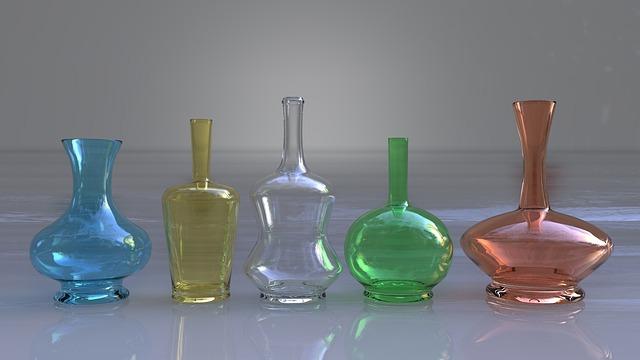
When it comes to preserving the rich and complex flavors of whiskey, choosing the right decanter material is crucial. The material of a decanter can significantly impact the overall taste and quality of the whiskey stored inside. So, which type of material is best for preserving this beloved spirit?
Glass:
- Glass decanters are a popular choice among whiskey enthusiasts due to their transparency, allowing you to appreciate the rich amber color of the whiskey.
- They are non-porous, which means that no external flavors or odors will be absorbed, preserving the whiskey’s true taste.
- However, glass decanters are not suitable for long-term storage since they offer minimal protection against light, air, and temperature fluctuations.
Crystal:
- Crystal decanters are known for their elegance and luxurious appearance, making them a favorite among collectors and connoisseurs.
- They are slightly porous, allowing a minimal amount of air to interact with the whiskey, which can soften and enhance its flavors over time.
- Crystal also provides better insulation than glass, protecting the whiskey from temperature fluctuations and extending its shelf life.
Stainless Steel:
- Stainless steel decanters are highly durable and offer excellent protection against light, air, and temperature changes, making them ideal for long-term storage.
- However, their opaque nature prevents you from admiring the whiskey’s color and can make it challenging to monitor the level of the spirit remaining.
- Unlike glass or crystal, stainless steel does not interact with the whiskey, making it a great choice for preserving the original flavors and aromas.
Ultimately, the best decanter material for preserving whiskey depends on your personal preferences and storage needs. Whether you opt for the elegance of crystal or the durability of stainless steel, choosing a quality decanter will ensure that your whiskey remains as exceptional as the day it was bottled.
5. Effective Strategies for Storing Whiskey in Decanters to Maintain Quality
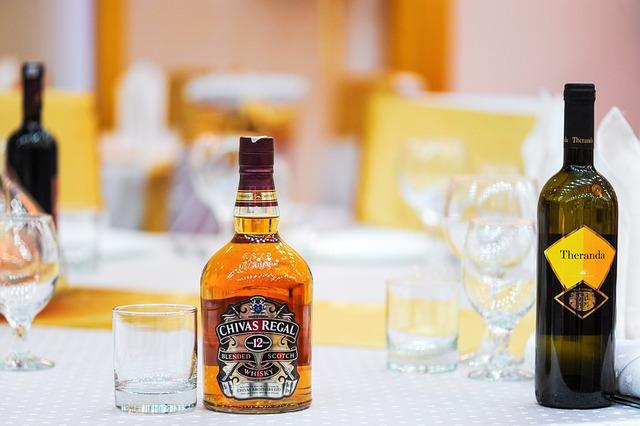
Your whiskey collection deserves to be showcased in style, but maintaining its quality can be a challenge. Here are some effective strategies for storing whiskey in decanters to ensure that every sip is as smooth and enjoyable as the first.
- Choose the right decanter: When it comes to storing whiskey, not all decanters are created equal. Look for a decanter made of lead-free crystal or glass, as these materials are less likely to interact with the whiskey and alter its flavor. Opt for a decanter with a tight-fitting stopper or cork to minimize air exposure.
- Keep it in a cool, dark place: Whiskey is sensitive to light and temperature fluctuations. Store your decanter in a cool, dark spot away from direct sunlight and heat sources. This will help preserve the whiskey’s flavors and prevent it from degrading over time.
- Avoid excessive air exposure: Oxygen can have a negative impact on the quality of whiskey, causing it to oxidize and lose its character. Minimize air exposure by only filling the decanter with enough whiskey to be consumed within a reasonable timeframe. If there’s leftover whiskey, transfer it back to its original bottle, which typically has a better seal to keep out air.
Remember, the decanter is not just a beautiful vessel for your whiskey; it also plays a crucial role in preserving its taste and aroma. By following these strategies, you can ensure that your whiskey is always ready for a delightful pour, whether it’s for a special occasion or a casual evening unwind.
In conclusion, we can confidently say that whiskey does not spoil inside a decanter. As a whiskey connoisseur myself, I have acquired extensive knowledge about the aging process and the impact of air exposure on the spirit’s flavor profile.
Throughout this article, we have explored the myths surrounding decanters and their supposed ability to spoil whiskey. We have debunked these misconceptions by shedding light on the scientific facts behind the maturation process.
Whiskey is a robust and resilient spirit, capable of withstanding the test of time when properly stored. While decanters are often chosen for their aesthetic appeal, they can also provide a convenient serving vessel for your favorite whiskey.
Understanding the importance of air exposure when it comes to whiskey aging is crucial. While it is true that long-term exposure to excessive oxygen can dull the flavors of your whiskey, short-term exposure through decanter use will have minimal to no effect.
By decanting your whiskey into a beautiful container, you can elevate your drinking experience and impress your guests. However, it is essential to remember that proper care and attention must be given to the decanter, ensuring it is clean and free of any residue.
So, the next time you’re faced with the decanter dilemma, rest assured that your whiskey will not spoil inside. Embrace the elegance and sophistication a decanter adds, and savor your whiskey confidently, knowing that every sip will retain its exceptional quality.
Cheers to a world of flavor, complexity, and the pleasure of enjoying whiskey in all its glory, without worrying about spoilage.
Get our latest guides, news, and insights highlighted in your Google Search & AI Overviews.