
Old Forester 1897 vs Old Forester 1910: Prohibition Era Clash

Hey there, whiskey enthusiasts! In the world of bourbon, we often come across bottles that transport us through time, allowing us to experience a taste of history. Today, we’re delving into a fascinating clash between two remarkable releases from Old Forester: the 1897 and the 1910, both set against the backdrop of the infamous Prohibition era. So sit back, pour yourself a dram, and join me on this captivating journey as we explore the nuanced flavors and captivating stories behind these iconic whiskeys. Get ready to witness an old-fashioned clash between two timeless champions of the craft — let’s dive in and uncover the essence of these remarkable spirits!
1. Uncovering the Rich Origins: A Sneak Peek into Old Forester’s History
Old Forester, a renowned whiskey brand, has a fascinating history that dates back to the late 1800s. Step into the time machine and let’s travel to the Prohibition era, where the clash between Old Forester 1897 and Old Forester 1910 took place.
During the Prohibition era, the production, sale, and distribution of alcoholic beverages were banned in the United States. Prohibition meant a challenging time for many whiskey makers, but Old Forester managed to navigate these tumultuous times, adapting and thriving.
Old Forester 1897, also known as "The Original Batch," captures the essence of the pre-Prohibition era. It boasts a rich amber hue and a robust flavor profile, reminiscent of the time when whiskey reigned supreme. The whiskey is aged in charred oak barrels, allowing the flavors to develop and deepen over time.
On the other hand, we have Old Forester 1910, also known as "The Old Fine Whisky." This expression is unique because it seeks to recreate the taste of the whiskey produced during Prohibition, despite the challenges faced by the industry. This limited edition whiskey is double-barreled, first aged in new, charred oak barrels and then finished in lightly charred barrels. The result is a bold and intense flavor that pays homage to those daring times.
Now, let’s compare the two head-to-head:
Old Forester 1897:
- Smooth and full-bodied
- Notes of caramel, vanilla, and toasted oak
- Rich and warm finish
Old Forester 1910:
- Deep and complex flavors
- Hints of dark chocolate, spice, and charred oak
- Velvety and lingering finish
Both these expressions showcase Old Forester’s commitment to quality and craftsmanship, even in the face of adversity. So whether you prefer the timeless elegance of Old Forester 1897 or the bold allure of Old Forester 1910, one thing is for sure – they both offer a peek into the rich and storied history of this iconic whiskey brand.
2. Old Forester 1897: Masterfully Crafted for the Pre-Prohibition Palate
When it comes to the rich history of bourbon, few brands can rival the legacy of Old Forester. In this post, we’re going to take a closer look at two of their iconic releases: Old Forester 1897 and Old Forester 1910. These whiskies represent two distinct eras in American history, each with its own unique characteristics and flavor profiles.
Step back in time to the pre-Prohibition era with Old Forester 1897. This bourbon is a true testament to the art of whiskey-making in the late 19th century. With its rich mahogany hue and complex aromas, it’s like taking a sip from history.
What sets Old Forester 1897 apart is its high proof, at 100 proof (50% ABV). This boldness gives it a robust flavor profile that can stand up to even the most discerning palates. The nose is a delightful blend of caramel, vanilla, and toasted oak, while the palate offers a symphony of flavors including dark chocolate, black pepper, and charred wood.
Old Forester 1910: A Clash with the Prohibition Era
Experience the clash of two eras with Old Forester 1910. Released as a limited edition, this bourbon pays homage to the historic 1910 fire that destroyed the Old Forester distillery. In an effort to continue production, barrels were temporarily stored in the company’s nearby warehouse, leading to a unique flavor development.
- The color of Old Forester 1910 is a deep amber, reflecting its extra aging period.
- The nose is a delightful mix of caramelized sugar, toasted oak, and dried fruit.
- On the palate, you’ll taste notes of rich butterscotch, cinnamon, and a hint of smoke.
This bourbon is also bottled at 93 proof (46.5% ABV), testament to the resilience of Old Forester and its commitment to producing extraordinary whiskies even in the face of adversity.
| Old Forester 1897 | Old Forester 1910 |
|---|---|
| 100 proof (50% ABV) | 93 proof (46.5% ABV) |
| Complex aromas of caramel, vanilla, and toasted oak | Delightful mix of caramelized sugar, toasted oak, and dried fruit |
| Flavors of dark chocolate, black pepper, and charred wood | Notes of rich butterscotch, cinnamon, and a hint of smoke |
Whether you prefer the boldness of Old Forester 1897 or the unique flavor journey of Old Forester 1910, one thing is for certain: both of these whiskies offer a true taste of history in every sip. Which one will you choose? Let us know in the comments below!
3. Old Forester 1910: A Bold and Innovative Transformation During Prohibition
Old Forester 1897 vs Old Forester 1910: Prohibition Era Clash
Step into the fascinating world of whiskey history as we explore the clash between two iconic bottles from the Old Forester distillery: Old Forester 1897 and Old Forester 1910. Both whiskies bring their own unique stories and flavors to the table, but perhaps what sets them apart the most is the backdrop against which they were created: Prohibition.
During the Prohibition era, the production, sale, and distribution of alcoholic beverages were strictly prohibited in the United States. But the savvy folks at Old Forester were not deterred; they seized this challenging time as an opportunity to revolutionize their craft. In 1910, Old Forester crafted a truly groundbreaking whiskey.
- Double Matured: Old Forester 1910 stands out as the first bourbon to be double matured. After aging in charred oak barrels, the whiskey was transferred to a second barrel, which had been lightly toasted rather than charred. This finishing process imparted a rich and robust flavor.
- Unique Melting Pot: During Prohibition, distilleries across the country had to find innovative ways to continue producing spirits. Old Forester managed to do just that, combining whiskies from various warehouses and distillation dates to create a unique blend that retained its signature character.
It’s truly fascinating to see how Old Forester 1910 represents the ingenuity and determination of the distillery during a time of adversity. These two whiskies allow us to take a sip of history and experience the bold and innovative transformation that took place during Prohibition.
4. Tasting the Timeless Elegance: Comparing Flavors from Two Different Eras
When it comes to whiskey, few things are as captivating as the clash between different eras. In this exclusive tasting, we bring you a battle of flavor and history – Old Forester 1897 vs Old Forester 1910: Prohibition Era Clash. Join us on a journey through time as we compare these two timeless expressions from the renowned distillery.
Era-Inspired Tasting Notes
Old Forester 1897, also known as “Bottled in Bond,” takes us back to the pre-Prohibition era, when style and craftsmanship were paramount. With its rich amber hue, this bourbon offers a captivating nose of dried fruit, caramel, and a hint of vanilla. On the palate, expect notes of oak, spice, and dark chocolate, culminating in a long, warm, and satisfying finish. It’s like sipping the essence of history.
In contrast, Old Forester 1910, dubbed “Old Fine Whiskey,” represents the post-Prohibition era, when distillers had to be innovative to stay afloat. This unique expression takes on a deep, glowing amber appearance. Aromas of toasted oak, caramel, and orange zest greet the nose, while flavors of caramelized sugar, dark chocolate, and a spice kick dance on the tongue. The finish is delightfully smooth, leaving a sweet and savory impression that lingers.
The Clash of Eras
To truly appreciate these distinguished whiskeys, we must delve into the context of their respective eras. Old Forester 1897 encapsulates the elegance and sophistication of the Gilded Age, with its meticulous handcraftsmanship and attention to detail. On the other hand, Old Forester 1910 captures the spirit of resilience and adaptability during the Prohibition era, showcasing the brand’s ability to revive and innovate.
Comparing these two expressions side by side is an experience like no other. Witness how the flavors have evolved over time, reflecting the changing tastes and constraints of each era. They may originate from the same distillery, but their distinct characteristics will transport you to different worlds.
The Verdict
Both Old Forester 1897 and Old Forester 1910 are extraordinary in their own right, offering a glimpse into history through their nuanced flavors. Whether you prefer the elegance of the past or the resilience of the present, there is no wrong choice. Each sip is a journey through time, a celebration of the art of distillation, and a testament to the enduring legacy of Old Forester.
5. The Prohibition Era Clash: Captivating Stories Behind Old Forester’s Survival
Old Forester 1897 – A Taste of Resistance
During the Prohibition era, Old Forester 1897 stood defiant against the nationwide alcohol ban, leaving a lasting legacy that has captivated whiskey enthusiasts to this day. Crafted with a recipe that remained unchanged since 1870, this iconic bourbon became a symbol of resilience and the secret pleasure of those who sought to defy the law. Aged to perfection, with a fiery amber color and a bold, rich flavor profile, Old Forester 1897 embodied the undying spirit of rebellion.
Its clandestine production process was shrouded in mystery, as dedicated craftsmen risked their freedom to keep the spirit alive. Word of mouth spread like wildfire, attracting those who sought the forbidden, making Old Forester 1897 a legendary name in the whiskey industry. Every sip immersed one in the thrilling stories of speakeasies and secret gatherings, where the allure of this daring bourbon brought people together in defiance.
Old Forester 1897 kept the flame of tradition burning during those tumultuous times, reminding all of the resilience of the human spirit, and the power of carefully crafted spirits to bring joy and camaraderie even in the darkest of days.
Old Forester 1910 – From Ashes, a New Classic is Born
Prohibition struck the nation like a mighty blow, but Old Forester refused to back down. With the closure of their distillery in 1919, it seemed like a grim end for this beloved brand. Yet, out of the ashes emerged something extraordinary – Old Forester 1910, a whiskey that carries the remnants of its predecessor’s rebellious spirit while forging its own path.
Distilled prior to Prohibition and aged in barrels, Old Forester 1910 experienced an unexpected twist of fate. As the warehouses were deemed unsafe and abandoned, the bourbon aged a full decade longer than intended, giving birth to a unique masterpiece. The accidental extra aging introduced unparalleled richness, complexity, and a silky smoothness to the final product.
Old Forester 1910 became a symbol of innovation amidst adversity. It recounted stories of resilience, adaptability, and the power of embracing change. This bourbon stood as a testament to the brand’s unwavering dedication to crafting exceptional spirits, even in the face of unprecedented challenges.
As we sip on a glass of Old Forester 1897 or Old Forester 1910, we are transported back to a time where passion, defiance, and determination reigned supreme. These captivating stories behind their survival remind us that great whiskies are not merely drinks, but vehicles that carry the spirit of human triumph throughout history.
6. Distillation Methods: Analyzing the Techniques Behind each Expression
I’ve always been fascinated by the distillation process and how it shapes the flavors of different expressions. Today, we’ll be taking a closer look at the techniques behind Old Forester 1897 and Old Forester 1910, two remarkable bourbons that emerged during the Prohibition era.
Old Forester 1897: The Bold Pioneer
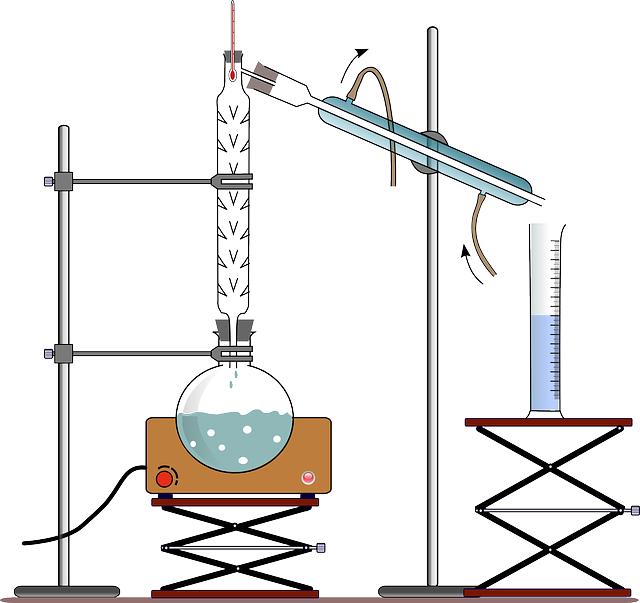
Old Forester 1897, also known as the Bottled in Bond, represents the courageous spirit of those who stood tall during Prohibition. This expression is created using the traditional pot still method, a true testament to the old-fashioned craftsmanship of yesteryears.
- Pot Still Method: Distillers produce whiskey using a pot still, which is a traditional method where a large copper pot is used to heat the raw ingredients. This process captures the full flavors of the distillate, resulting in a rich and complex taste.
- Charred Oak Barrels: The aged bourbon is matured in charred oak barrels, which imparts deep flavors and a distinctive smoky character. These barrels contribute to the rich caramel and vanilla notes found in Old Forester 1897.
Old Forester 1910: The Double-Barreled Beauty
Old Forester 1910 brings a unique twist to the distillation process with its double-barreled technique. This bourbon undergoes a secondary aging period, reminiscent of the clandestine operations during Prohibition, resulting in a one-of-a-kind flavor profile.
- Secondary Aging: After its initial maturation, Old Forester 1910 is transferred to new charred oak barrels for an additional aging period. This double-barreled approach introduces extra layers of complexity, enriching the final product with notes of dark chocolate, dried fruits, and toasted oak.
- Alcohol Strength: During Prohibition, the original expression faced a temporary selling halt. When production resumed in 1920, the bourbon was released at a higher alcohol strength of 62.5%. This higher proof adds a bold intensity to Old Forester 1910, perfect for those seeking a robust and spirited experience.

7. Aging Gracefully: Exploring the Maturation Process of Old Forester Bourbon
When it comes to the maturation process of Old Forester Bourbon, there are two standout contenders from the Prohibition Era: Old Forester 1897 and Old Forester 1910. These two expressions flawlessly capture the essence of a bygone era, offering a unique glimpse into a tumultuous period in American history.
Old Forester 1897, also known as “The President’s Choice,” was released to commemorate the company’s 100th anniversary. It’s a bold and robust bourbon, aged for a remarkable 14 years. This expression pays homage to the resilience of Old Forester during Prohibition, as it was one of only ten distilleries granted a permit to produce whiskey for medicinal purposes.
On the other hand, Old Forester 1910, dubbed as “Old Fine Whiskey,” provides a captivating contrast to its predecessor. This expression is a unique and experimental offering that replicates the whiskey produced just before Prohibition. Aged for six years, it boasts a smoothness that captures the spirit of the Roaring Twenties, a time known for its exuberance, rebellion, and sophistication.
- Distillery: Old Forester Distillery
- Proof: Old Forester 1897: 100 Proof; Old Forester 1910: 93 Proof
- Aged: Old Forester 1897: 14 years; Old Forester 1910: 6 years
- Flavor Profile: Old Forester 1897: Rich caramel, dark chocolate, roasted coffee; Old Forester 1910: Butterscotch, dried fruit, toasted oak
For bourbon enthusiasts seeking to experience a fusion of history and craftsmanship, the clash between Old Forester 1897 and Old Forester 1910 promises to be an extraordinary journey. These expressions transport us back in time, allowing us to savor the flavors and intricacies of a bygone era. Prepare to be captivated by the distinct character and heritage that defines Old Forester Bourbon.
8. Pairings and Cocktails: Unveiling the Perfect Matches for Each Expression
About the Pairings:
Dive into the fascinating clash of Old Forester 1897 and Old Forester 1910, two iconic expressions from the Prohibition Era. Get ready to indulge in a harmonious blend of flavors that will take your taste buds on an unforgettable journey.
Old Forester 1897: Step back in time with this refined bourbon that captures the spirit of the pre-Prohibition days. Its rich and robust character is a testament to the distillery’s commitment to quality. This expression boasts notes of caramel, vanilla, and a hint of spice, delivering a smooth and velvety texture that is simply irresistible.
Old Forester 1910: Prepare yourself for a delightful twist on tradition. This unique expression pays homage to the ingenious methods used during the Prohibition era to maintain the production of bourbon. Aged in heavily charred barrels, this whiskey offers a rich and smoky profile with hints of chocolate and roasted nuts for a decadent flavor experience.
Perfect Pairings:
To enhance your enjoyment and fully appreciate the distinct characteristics of each expression, here are some perfect pairings to consider:
For Old Forester 1897:
- Dark chocolate truffles
- Aged cheddar cheese
- Spiced pecans
For Old Forester 1910:
- Smoked salmon canapés
- Coffee-rubbed ribs
- Roasted chestnuts
Whether you’re sipping Old Forester 1897 or indulging in the smoky depths of Old Forester 1910, these pairings will elevate your tasting experience and highlight the nuances of each expression. Cheers to a clash of flavors that honor the rich history and craftsmanship of the Prohibition Era!

9. Collecting Old Forester: A Look into the Rarity and Value of these Historic Bottles
As a passionate collector and enthusiast of Old Forester, I have always been intrigued by the rarity and value associated with these historic bottles. Today, I want to take a deep dive into the clash between two iconic editions of Old Forester: the 1897 Bottled-in-Bond and the 1910 Old Fine Whisky.
Both these expressions are deeply rooted in the Prohibition era, a time that greatly impacted American whiskey production and appreciation. The 1897 Bottled-in-Bond is a true gem, aged for at least four years and meeting the strict regulations of the Bottled-in-Bond Act. Its exceptional quality and adherence to the highest standards make it highly sought after by collectors.
On the other hand, we have the unique 1910 Old Fine Whisky, a symbolic representation of Old Forester’s defiance during Prohibition. In an attempt to survive the ban, Old Forester decided to release a “medicinal whisky” that could be sold legally. This expression, crafted to be both flavorful and palatable, embodies the ingenuity and resilience of the brand during those challenging times.
When comparing these two remarkable bottles, collectors often find themselves captivated by their distinct characteristics:
- Age: The Bottled-in-Bond presents a minimum of four years aging, while the Old Fine Whisky offers a unique “Barrel Strength” experience, delivering a bolder and richer profile that whiskey aficionados truly appreciate.
- Flavor Profile: The Bottled-in-Bond boasts notes of caramel, vanilla, and a hint of oak, providing a balanced and smooth sipping experience. Meanwhile, the Old Fine Whisky entices with intense notes of dark fruit, cinnamon, and a touch of chocolate, embodying a daring and unconventional spirit.
- Availability: As rarity plays a significant role in a collector’s pursuit, the 1897 Bottled-in-Bond typically commands higher value and scarcity in the market compared to the more readily available 1910 Old Fine Whisky, making it an exclusive treasure for those fortunate enough to acquire it.
In conclusion, both the Old Forester 1897 Bottled-in-Bond and the 1910 Old Fine Whisky are fascinating representations of the Prohibition era, capturing the essence of defiance and innovation. Whether you prefer the classic elegance of the Bottled-in-Bond or admire the audacity behind the Old Fine Whisky, collecting these historic bottles is sure to add a touch of extraordinary to any whiskey enthusiast’s collection.
10. Choosing Your Favorite Era: Recommendations for Whiskey Enthusiasts and Collectors
For whiskey enthusiasts and collectors who love to explore the rich history behind their favorite spirit, choosing a favorite era can be a tough decision. If you find yourself torn between the allure of the Prohibition era and the charms of the early 20th century, we’ve got just the showdown for you: Old Forester 1897 vs Old Forester 1910.
Let’s start with Old Forester 1897, a bourbon that pays tribute to its namesake year, a time of significant change in the whiskey world. This expression captures the essence of pre-Prohibition whiskey, with its robust and flavorful profile. It’s aged in heavily charred barrels, giving it a deep, smoky character with notes of caramel, oak, and spices. The finish is long and satisfying, leaving a warm, lingering sensation that brings you back to the days of speakeasies and bootleggers.
On the other hand, Old Forester 1910 offers a unique twist on the Prohibition era. This whiskey undergoes a second barreling process, where it is aged for an additional six months in new, charred oak barrels. This double-barreling technique results in a rich, velvety texture and an explosion of flavors. You’ll taste layers of vanilla, caramel, dark chocolate, and even hints of citrus. The finish is exceptionally smooth, making it a delightful sipping whiskey.
To make the decision even more challenging, we’ve created a comparison table showcasing the key differences between these two remarkable whiskies:
| | Old Forester 1897 | Old Forester 1910 |
| ————- | ——————- | ————————– |
| Aging | Aged in heavily charred barrels | Double-barreled with an additional six months of aging |
| Flavor Profile | Robust, smoky, with notes of caramel, oak, and spices | Rich, velvety, with layers of vanilla, caramel, dark chocolate, and hints of citrus |
| Finish | Long and warm with a lingering sensation | Exceptionally smooth |
Ultimately, the choice comes down to personal preference. Do you savor the nostalgia of the Prohibition era, or do you prefer the depth and complexity of pre-Prohibition whiskey? Whichever era you choose, both Old Forester 1897 and Old Forester 1910 are exceptional expressions that showcase the craftsmanship and heritage of American whiskey. So go ahead, pour yourself a glass and transport yourself to a bygone era of whiskey-making excellence. As we wrap up our exploration of the clash between Old Forester 1897 and Old Forester 1910 during the Prohibition era, it’s clear that both these whiskies have truly stood the test of time. With their rich history and distinct characteristics, they offer a captivating glimpse into the challenges and triumphs of their respective eras.
Old Forester 1897 serves as an eloquent tribute to the pre-Prohibition era, capturing the essence of a time filled with exuberance and craftsmanship. Its bold flavor profile, with hints of caramel and oak, transports the discerning whiskey enthusiast back to a bygone era when cocktails reigned supreme.
In contrast, Old Forester 1910 offers a dynamic twist on the classic, born out of a necessity brought on by the tumultuous Prohibition era. The unique double-barreling process lends a smooth, velvety texture to this whiskey, with a delightful balance of spice and sweetness. It’s a shining example of resilience and innovation in the face of adversity.
Deciding between these two exceptional whiskies ultimately boils down to personal preference. Both Old Forester 1897 and Old Forester 1910 offer a delightful journey through time, each with its own tale to tell. Whether you prefer the nostalgia-inducing flavors of the pre-Prohibition era or the inventive spin on tradition during the Prohibition years, you’re sure to savor every sip.
As we bid farewell to the clash of these two remarkable whiskies, the only question that remains is: which Old Forester will you raise your glass to? Whichever you choose, rest assured that you’ll be savoring a piece of history that embodies the spirit of those who came before us.
So here’s to the clash of the ages, where the past meets the present in a harmonious symphony of flavors. Cheers to the enduring legacy of Old Forester and the indomitable spirit of whiskey that has weathered the storms of history. And as we part ways, may your future whiskey adventures be as captivating and enlightening as this Prohibition era clash has been.
Until next time, keep exploring, keep sipping, and stay inspired by the stories that lie within each bottle of Old Forester.
Similar Posts

Canadian Hunter vs Crown Royal: Canadian Whiskey Clash
As a proud Canadian whiskey aficionado, the clash between Canadian Hunter and Crown Royal is a topic close to my heart. Both brands have a rich history and distinct flavor profiles that set them apart. While Canadian Hunter exudes a smooth and approachable taste, Crown Royal boasts regal elegance and complexity. Whether you prefer the affordable and dependable choice of Canadian Hunter or the luxurious indulgence of Crown Royal, one thing is certain – Canadian whiskey lovers are in for a treat, no matter which side of the clash they choose.

Cómo Se Toma El Whisky: A Spanish Guide to Enjoying Whiskey
Hey there, fellow whisky aficionados! Are you ready to embark on a delightful journey through the world of whisky?…

Jack Daniel’s vs Seagram’s 7: A Tennessee Sip-Off
Hey there fellow whiskey enthusiasts! If you’re like me, you appreciate a good Tennessee sip at the end of…
Jim Beam Peach Mixology: A Southern Twist
If you’re looking to add a delightful twist to your cocktail repertoire, look no further than Jim Beam Peach Mixology. Combining the smoothness of Jim Beam with the sweet and juicy flavor of peaches, this southern-inspired blend offers a refreshing and irresistible drink experience. Whether you’re hosting a summer gathering or simply craving something different, Jim Beam Peach Mixology is the perfect choice to elevate any occasion and leave your taste buds longing for more. Cheers to a Southern twist that guarantees to impress!

Knob Creek 12 vs Elijah Craig Barrel Proof: Bourbon Intensity
When it comes to bourbon intensity, two powerhouses stand out: Knob Creek 12 and Elijah Craig Barrel Proof. As an avid bourbon lover, I’ve had the pleasure of sampling both, and I can confidently say that they deliver a truly magnificent experience. Knob Creek 12 boasts a robust flavor profile with hints of caramel and oak, while Elijah Craig Barrel Proof offers a bold and complex palate. It ultimately comes down to personal preference, but regardless of your choice, you can’t go wrong with either of these exceptional bourbons.