Bird Dog Blackberry Whiskey Mix: A Berry Blast
As someone who loves trying new cocktails, I recently had the pleasure of discovering the perfect summertime drink: the…

Whiskey Guides & Distillation Science represents the central educational knowledge base of Armadillo Whiskeys, deconstructing grain mash bills, fermentation biochemistry, pot and column still mechanics, and oak cask maturation kinetics to equip spirits enthusiasts with authoritative tasting, analytical, and collecting methodologies.
In-depth analysis of soft red winter wheat mash bills, rotating warehouse maturation, and sensory profiles.
Comparative technical breakdown of European Spanish oak vs American oak seasoning and oxidation dynamics.
Deconstruction of high-rye mash bills, spice terpene development, and pot still versus column still finishes.
The chemistry of wood bending, stave toasting, alligator char levels, and additive-free flavor extraction.
Whiskey production represents an intricate discipline of organic chemistry, thermal dynamics, and enzymatic kinetics. Understanding the spirit’s lifecycle requires evaluating the transformation of raw cereal grains through malting, mashing, fermentation, distillation cut points, and multi-year oak cask extraction.
During mashing, cereal grains—predominantly corn, malted barley, rye, and wheat—undergo thermal gelatinization. Endogenous enzymes (α-amylase and β-amylase) convert long-chain insoluble starches into fermentable monosaccharides and disaccharides. The resulting fermentable liquid, known as distiller’s beer or wash, is inoculated with tailored Saccharomyces cerevisiae strains. Fermentation generates not only ethanol and carbon dioxide, but an array of secondary metabolic byproducts termed congeners. Congeners—encompassing esters (fruity notes), aldehydes (cut-grass and green apple notes), higher fusel alcohols (body and mouthfeel), and volatile fatty acids—dictate the distinctive sensory footprint of the new-make distillate.
| Whiskey Category | Mandatory Mash Bill | Distillation Cap | Maturation Standard |
|---|---|---|---|
| Bourbon Whiskey | ≥ 51% Corn (Zea mays) | ≤ 160 proof (80% ABV) | Charred new oak containers; barrel entry ≤ 125 proof. |
| Rye Whiskey | ≥ 51% Rye (Secale cereale) | ≤ 160 proof (80% ABV) | Charred new oak containers; rich in alkylresorcinols and spicy terpenes. |
| Single Malt Scotch | 100% Malted Barley | ≤ 189.6 proof (94.8% ABV) | Oak casks ≤ 700L capacity; minimum 3 years in Scotland. |
| Tennessee Whiskey | ≥ 51% Corn + Sugar Maple Charcoal | ≤ 160 proof (80% ABV) | Lincoln County Process filtration through sugar maple charcoal before barreling. |
Distillation separates ethanol from water and congeners based on differential boiling points. Traditional Scottish and Irish distilleries employ copper pot stills in batch runs, while American bourbon and rye distillers frequently use continuous column stills paired with a secondary thumper or doubler. Copper functions as an essential chemical catalyst rather than a mere vessel: it irreversibly binds with undesirable dimethyl trisulfide and volatile organosulfur compounds, precipitating them out as copper sulfate and yielding a bright, clean distillate.
Once entered into oak containers (typically Quercus alba in the United States and Quercus robur in European sherry seasoning), maturation kinetics take over. Seasonal temperature fluctuations cause the wood porous structure to expand and contract, driving the spirit deep into the wood’s red layer. Heat degradation of lignin synthesizes vanillin, syringaldehyde, and guaiacol (smoky notes), while hemicellulose caramelizes into wood sugars, creating caramel, toffee, and toasted pastry aromas. The simultaneous evaporation of ethanol and water through barrel staves—revered as the Angel’s Share—concentrates the liquid, imparting depth, color, and viscous mouthfeel.
Copper acts as a chemical catalyst in pot and column stills by binding with volatile sulfur compounds (such as dimethyl trisulfide) produced during fermentation, precipitating them out as insoluble copper sulfate and preventing harsh rotten-egg notes in the spirit.
Charring American white oak barrels creates an internal layer of activated carbon that filters out residual congeners while thermally degrading wood lignins into vanillin and caramelizing hemicellulose into wood sugars that yield rich vanilla, caramel, and toffee tasting notes.
Pot stills operate in discrete batch cycles that retain a higher concentration of flavorful grain congeners and heavy esters, while continuous column stills utilize fractional reflux plates to run continuously, producing higher proof, lighter-bodied distillates with tighter purity tolerances.
The Lincoln County Process requires filtering newly distilled unaged whiskey through vats tightly packed with sugar maple charcoal prior to barrel aging, stripping away aggressive aldehydes and fatty acids to deliver a distinctive mellow, smooth finish.

As someone who loves trying new cocktails, I recently had the pleasure of discovering the perfect summertime drink: the…

In the battle of boozy heavyweights, whiskey and tequila face off to see who reigns supreme in the strength department. Let’s take a closer look at these potent potables to determine once and for all – is whiskey stronger than tequila? Let’s find out.

Crafting the perfect blend of Pendleton Whiskey mixes is an art form. With the right balance of flavors, you can create a drink that is smooth, bold, and unforgettable. Learn how to mix your own ideal blend today!

When it comes to choosing between sake and whiskey, it all boils down to personal preference. While sake offers a delicate and floral taste, whiskey provides a rich and smoky flavor profile. Both are unique spirits with their own merits – the choice is yours!

In the world of bourbon, Four Roses Single Barrel and Woodford Reserve stand out as two exceptional choices. While Four Roses offers a delicate floral aroma, Woodford Reserve boasts a perfectly balanced flavor profile. Both are equally impressive, but the final verdict ultimately depends on your own personal preferences.

As someone who used to cringe at the thought of giving up gluten for good, discovering gluten-free alternatives has…

Join me on a journey to uncover the differences between 1792 Small Batch and Four Roses Small Batch. I’ll be tasting and comparing these two small batch bourbons to determine which one reigns supreme in this ultimate small batch showdown! Stay tuned for the results.

When it comes to indulging in a luxurious drink, Dewar’s 15 is the epitome of elegance. With its smooth blend of aged Scottish whiskies, every sip is a treat for the senses. The rich caramel notes and subtle hints of vanilla create a truly delightful experience. As a longtime connoisseur of Scotch, I can confidently say that Dewar’s 15 is a true gem in the world of blended whiskies. Its nuanced flavors and impeccable craftsmanship make it a must-try for any whisky lover. So, sit back, relax, and enjoy the sophistication of Dewar’s 15. Cheers!
As a bourbon enthusiast, I’ve always been torn between Bulleit Bourbon and Wild Turkey 101. Both offer a bold, frontier flavor that packs a punch. Let’s dive into the details and see which one comes out on top. Cheers to the Frontier Force!

Having spent ample time exploring the rugged coastal charms of Islay, I finally had the opportunity to taste and compare Bowmore 15 and Bowmore 18. Both delightful drams showcase the unique maritime influence of this Scottish island, but the extra aging of the 18-year-old expression adds an extra layer of complexity and depth to the peaty, briny flavors that I have come to love. Choosing between them ultimately comes down to personal preference, but both are sure to transport you to the windswept shores of Islay with every sip.

For me, there’s nothing quite like savoring a glass of Bushmills Original Irish whiskey. It’s a true taste of Irish tradition, crafted with utmost care and expertise. The smooth yet complex flavors of malt and grain come together effortlessly, offering a delightful experience for the senses. Whether enjoyed neat or in a classic cocktail, Bushmills Original never fails to impress. Its rich heritage and time-honored distillation process truly shine through, making it a staple in my liquor cabinet. Cheers to this remarkable Irish gem!

When it comes to whiskey, benchmarking the bonds is key to understanding its quality. While benchmark bonded whiskey undergoes strict regulations and is a blend of barrels, benchmark single barrel is handpicked, offering a unique tasting experience. As a whiskey enthusiast, I find it fascinating to compare these two benchmarks and explore the diversity they bring to each sip. Whether you prefer the complexity of bonded or the individuality of single barrel, both offer exceptional choices for a delightful evening of sipping and savoring. Cheers!

Welcome to a delightful journey into the world of Jack Daniel’s Single Barrel Select and Single Barrel Barrel Proof…

Whisky aficionados often debate the merits of various blends, and one that frequently sparks discussion is Black & White. Having sampled this Scotch, I can confidently say it lives up to the hype. A smooth, balanced taste with hints of vanilla and oak, Black & White is perfect for savoring a moment of relaxation. It’s well-priced too, making it accessible to both seasoned whisky drinkers and newcomers. Whether enjoyed neat or in a classic cocktail, this blend makes for a delightful choice.

In the world of whisky, two brands stand out for their innovative approaches to crafting unique blends: Glenmorangie X and Monkey Shoulder. Both offer a taste of experimental elegance, appealing to whisky connoisseurs looking for something a little different.

As a self-proclaimed bourbon enthusiast, I have always found myself torn between two iconic brands – Benchmark and Jack…

When choosing between Crown Royal and Black Label, it ultimately comes down to personal preference. Crown Royal is known for its regal and smooth taste, while Black Label offers a classic and bold flavor profile. Both are timeless choices for any whiskey lover.

As a whiskey enthusiast, I have heard countless tales about the elusive Lucky Rooster Whiskey – a drink that…

Exploring the heritage of two iconic bourbons: Basil Hayden’s and Old Grand-Dad. From their shared beginnings to distinct flavors, this lineage showcases the evolution of bourbon craftsmanship. Let’s dive into the rich history and flavors of these beloved whiskies.
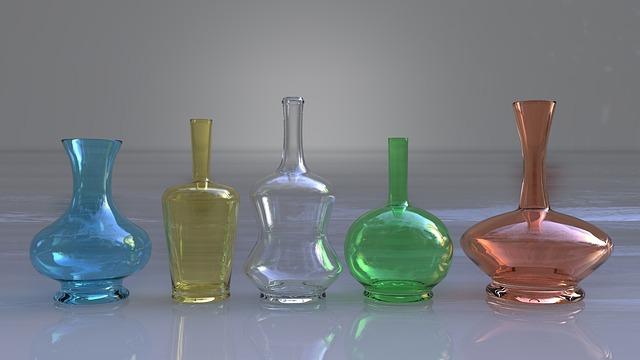
I’ve had this decanter of whiskey sitting on my shelf for months now. But how long can it actually stay in there before it starts to go bad? Let’s dig into the decanter dilemma and find out just how long our beloved whiskey can stick around.