Why Did My Whiskey Freeze? A Chilly Mystery

Have you ever experienced the perplexing moment when you eagerly reach for a glass of whiskey, only to find it completely frozen? As a whiskey enthusiast myself, this icy predicament left me scratching my head in disbelief and curiosity. How could something as cherished and cherished as whiskey succumb to the chilling embrace of freezing temperatures? What lies behind this mysterious phenomenon? Join me on a journey as we delve into the depths of this chilly mystery, uncovering the reasons why our beloved whiskey can turn into an unexpected frozen delight. Rest assured, by the end of this article, you will be armed with the knowledge to confidently tackle the freezing complexities of your favorite spirit.
1. Unraveling the Whiskey Freezing Enigma: A Fascinating Journey into Science and Temperature Variations
Have you ever experienced the perplexing phenomenon of finding your whiskey bottle frozen solid? It can be quite a head-scratcher, especially since you stored it at room temperature. Fear not, fellow whiskey enthusiasts, for we are about to embark on a fascinating journey into the science behind this chilly mystery.
Whiskey freezing is not as uncommon as you might think, and several factors can contribute to this enigma. Let’s delve into some of the possible explanations:
Alcohol Percentage: The alcohol content in your whiskey plays a crucial role in its freezing point. Unlike water that freezes at 0 degrees Celsius (32 degrees Fahrenheit), most whiskeys have an alcohol percentage ranging from 40% to 50%, which lowers the freezing temperature. Therefore, if you store your bottle in an extremely cold environment, it’s possible for the whiskey to freeze.
Additional Solids: Whiskeys can contain trace amounts of solids, such as fatty acids and esters, which contribute to their unique flavors. These additional solids can also affect the freezing point of your whiskey. In colder conditions, these substances can crystallize and solidify, causing the bottle to freeze.
- Congeners: Congeners are chemical compounds produced during the fermentation and aging process of whiskey. They impart distinctive flavors and aromas to the spirit. Certain congeners, like tannins and fusel oils, have different freezing points than alcohol. Therefore, if your whiskey has a high congener content, it may freeze at a higher temperature than expected.
To ensure a smooth and delightful whiskey-drinking experience, it’s important to store your prized bottle in a controlled environment, away from extreme temperatures. Remember, while a frozen whiskey might seem like a chilly mystery, understanding the science behind it can help you appreciate the craftsmanship and complexity that goes into every sip. So the next time you encounter a frozen whiskey, take a moment to marvel at the fascinating interplay between science and temperature variations.
Now that we’ve unraveled the whiskey freezing enigma, we can truly appreciate the art of savoring a perfectly chilled glass of this captivating elixir.
2. The Role of Alcohol Strength in Whiskey Freezing: Exploring the Impact of ABV on Liquor Crystallization
When we eagerly reach for a glass of whiskey after a long day, the last thing we expect is for that golden nectar to be frozen solid. Yet, it happens more often than one might think. So, why did your whiskey freeze? Let’s dive into the chilly mystery and explore the fascinating role of alcohol strength in whiskey freezing.
Alcohol by volume (ABV) plays a crucial role in determining the freezing point of any alcoholic beverage, including whiskey. The higher the ABV, the lower the freezing point. In simpler terms, a whiskey with a higher ABV will have a lower freezing point compared to one with a lower ABV. This means that a whiskey with a higher alcohol content is less likely to freeze, even in colder temperatures.
But what does this mean for us whiskey enthusiasts? Well, it means that if you’ve ever discovered your beloved bottle of whiskey frozen, it might be an indication that it has a lower ABV. Perhaps you left it in a particularly cold spot, or it simply didn’t have enough alcohol strength to withstand the frigid temperatures.
Understanding the impact of ABV on liquor crystallization can help us appreciate the complexity of whiskey production and the delicate balance of its ingredients. So, next time you savor that smooth sip of whiskey, raise a toast to the intricacies of ABV and the liquid gold that keeps our spirits warm, even in the chilliest of nights.Now, excuse me while I pour myself a glass of whiskey on the rocks, because no matter the weather, there’s nothing quite like savoring the flavors of a well-crafted whiskey.
3. What’s in Your Whiskey? Understanding the Chemical Composition behind Freezing Points
Whiskey connoisseurs know that enjoying a smooth sip of this golden-brown elixir can be a true moment of pleasure. But have you ever encountered the perplexing situation of finding your beloved whiskey inexplicably frozen? Trust me, it’s a chilly mystery that has baffled many whiskey lovers, and it’s time to demystify this predicament.
You see, the freezing point of whiskey is not solely determined by its alcohol content. While higher alcohol percentages do lower the freezing temperature, there are several other factors at play. It all comes down to the complex chemical composition of whiskey, and understanding the interplay of its various components.
One crucial component that affects the freezing point is water. Yes, water, the elixir of life and an integral part of whiskey’s character. As whiskey contains a certain percentage of water, it’s important to note that the freezing point of water is 32°F (0°C). If the alcohol content of your whiskey increases, the freezing point decreases, but beware! Different whiskeys have varying alcohol concentrations, so some may freeze at higher temperatures than others. To further complicate matters, other compounds like congeners, which are created during the fermentation process, can also impact the freezing point. These compounds bring distinct flavors and aromas to your whiskey, yet they can influence its freezing behavior as well.
Pro tip: Remember that the temperature of your freezer matters too. If it’s set below the freezing point of your whiskey, then even the slightest drop in temperature could solidify your cherished spirit. So next time you find yourself staring at a frozen bottle, don’t fret. Embrace the opportunity to delve into the scientific wonder behind your whiskey’s chilly transformation and revel in the intricate chemistry that makes your favorite drink so special. Cheers to the mysteries that lie within our whiskey glasses!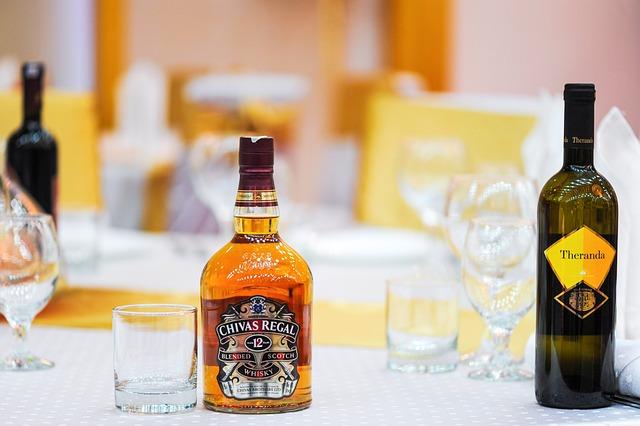
4. To Chill or Not to Chill: The Surprising Effects of Refrigeration on Whiskey’s Freezing Susceptibility
Whiskey enthusiasts, have you ever experienced the bewildering sight of your favorite drink freezing in the comfort of your own refrigerator? Fear no more, for in this post we dive into the intriguing world of whiskey’s susceptibility to freezing and the surprising effects of refrigeration.
You might be wondering why your whiskey, a spirit that boasts a higher alcohol content, would succumb to freezing temperatures. The answer lies in the chemical composition of this beloved beverage. Whiskey contains not only alcohol but also water, and it is this water content that plays a crucial role in its freezing susceptibility.
When whiskey is chilled, the water molecules within it start to slow down and bind together, forming ice crystals. This phenomenon occurs at temperatures below the freezing point of water due to whiskey’s lower freezing point as a result of its alcohol content. Unlike other spirits, the water in whiskey does not simply dilute the alcohol, making it more vulnerable to freezing when subjected to low temperatures.
So, should you chill your whiskey or not? The decision ultimately boils down to personal preference. Some whiskey enthusiasts believe that a slight chill can enhance certain flavors and aromas, while others argue that colder temperatures mute the complexities of the spirit. It’s a delicate balance between enjoying a perfectly chilled glass and avoiding the disappointment of finding your whiskey transformed into an icy popsicle.
In conclusion, understanding the science behind whiskey’s freezing susceptibility sheds light on the mysterious phenomenon of frozen whiskey. With this knowledge, you can make an informed decision on whether to chill or not to chill your beloved elixir. Remember, experimenting with different temperatures and enjoying the journey of exploration are part of the magical world of whiskey. Cheers to the chilly mysteries that continue to delight and fascinate us!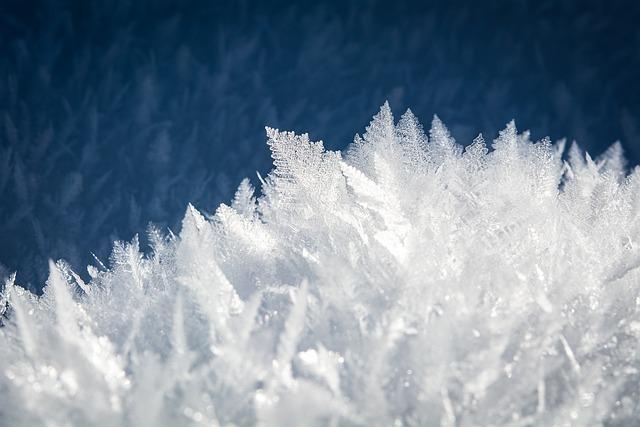
5. Ice, Ice, Whiskey: How the Presence of Water Alters the Freezing Characteristics of Your Favorite Spirit
Have you ever reached into your freezer for a bottle of whiskey, only to find it frozen solid? It’s a chilly mystery that many whiskey enthusiasts have encountered. But what causes this freezing phenomenon? The answer lies in the presence of water.
Whiskey is typically bottled at around 40% alcohol by volume (ABV), but it also contains water, which is added during the production process. When stored at lower temperatures, the water in whiskey can freeze, causing the entire bottle to turn into a solid block of ice.
Here’s how the freezing characteristics of whiskey are altered by the presence of water:
- Freezing Point Depression: Water lowers the freezing point of whiskey. Usually, the freezing point of pure alcohol is around -114 degrees Celsius (-173 degrees Fahrenheit). However, when water is added, the freezing point of the mixture decreases. So, even if your freezer is set at temperatures below the freezing point of pure alcohol, the water content in whiskey can cause it to freeze.
- Ice Formation: When whiskey is subjected to freezing temperatures, ice crystals form within the liquid. These ice crystals can cause the whiskey to lose some of its flavor and mouthfeel. Additionally, the expansion of water as it freezes can potentially crack the glass bottle, leading to a messy situation.
So, the next time you discover that your beloved bottle of whiskey has frozen, don’t be puzzled. It’s simply the result of water’s impact on the freezing characteristics of your favorite spirit. Remember to store your whiskey at the appropriate temperature to avoid any unwelcome surprises!
6. Keeping It Cool: Mastering the Art of Storing Whiskey to Prevent Freezing Dilemmas
So you’ve just uncorked a bottle of your favorite whiskey, you pour yourself a glass, and to your surprise, you find that it’s frozen solid! A “chilly mystery” indeed. But fear not, fellow whiskey aficionado, for I am here to shed some light on this perplexing situation and help you master the art of storing whiskey to prevent freezing dilemmas.
First and foremost, let’s explore why whiskey can freeze in the first place. Whiskey, like many other alcoholic beverages, contains water. And water, as we know, freezes at 0 degrees Celsius (32 degrees Fahrenheit). So if your whiskey reaches a temperature below this freezing point, the water content within it can solidify, resulting in a frozen beverage. But how can we prevent this from happening?
Tip #1: Control the Temperature
One of the most important factors to consider when storing whiskey is maintaining a consistent and appropriate temperature. Ideally, your whiskey should be kept between 15 and 20 degrees Celsius (59 and 68 degrees Fahrenheit). Anything below or above this range can increase the risk of freezing or spoilage. Avoid storing your whiskey in areas that are prone to extreme temperature fluctuations, such as near windows, heating vents, or refrigerators.
Tip #2: Store Vertically
Believe it or not, the position in which you store your whiskey can also play a role in preventing freezing. Storing your bottles upright, rather than laying them on their sides, can help distribute the temperature more evenly throughout the liquid, reducing the likelihood of freezing. Plus, this method also helps prevent any potential leakage, minimizing the risk of wastage and preserving the quality of your precious whiskey.
Tip #3: Invest in a Whiskey Chiller
If you’re someone who enjoys sipping their whiskey on the rocks, consider investing in a whiskey chiller. These nifty devices are designed to keep your whiskey cold without diluting it with ice cubes. Whether it’s a stainless steel whiskey stone or a specialized chiller stick, these tools can help maintain the perfect temperature for your drink without the risk of freezing. Plus, they make for a great conversation starter during your next whiskey tasting session!
7. Beyond the Standard Rocks Glass: Choosing the Right Whiskey Drinking Vessel to Combat Freezing Issues
When you eagerly poured yourself a glass of your favorite whiskey, only to find it frozen solid, you may have been left scratching your head. “Why did my whiskey freeze?” you wondered, as you stared at the icy block in disbelief. Well, fear not, because the answer to this chilly mystery lies in the vessel you chose to drink from.
Whiskey, like any other alcoholic beverage, has a freezing point. Typically, liquors don’t freeze easily because of their alcohol content. However, the shape and material of the glass you use can greatly affect the rate at which your whiskey cools down, potentially leading to freezing.
A standard rocks glass, with its wide brim and shallow depth, may look elegant, but it also exposes your whiskey to the surrounding air, causing it to cool down faster. This fast cooling can result in a frozen dram. To combat this issue, consider opting for a whiskey drinking vessel that is specifically designed to slow down the cooling process. These vessels often feature a narrower opening and thicker walls, allowing your whiskey to maintain its optimal temperature for longer.
When it comes to choosing the right whiskey drinking vessel, here are a few options to consider:
1. Glencairn Glasses: These tulip-shaped glasses are perfect for savoring the aromas and flavors of whiskey. Their design concentrates the scents and directs them towards your nose, enhancing your drinking experience.
2. Norlan Glasses: With their sleek, modern design, Norlan glasses are not only aesthetically pleasing but also scientifically engineered to maximize the flavors and aromas of whiskey. The double-walled construction helps to insulate the liquid and prevent rapid cooling.
3. Whiskey Stones: If you prefer to stick to your favorite whiskey glass, you can still combat freezing issues by using whiskey stones. These small stones, made from food-grade soapstone or stainless steel, can be chilled in the freezer and then added to your glass to cool the drink without diluting it.
So, the next time you find yourself wondering why your beloved whiskey turned into a block of ice, remember to consider the vessel you’re sipping from. By choosing the right whiskey drinking vessel, you can combat freezing issues and ensure that every sip of your favorite spirit is perfectly chilled, but never frozen. Cheers to a dram without the chill!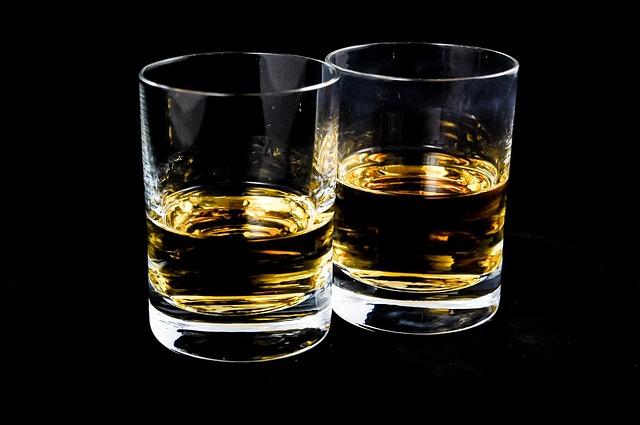
8. Whiskey Woes in Winter: Exploring the Impact of Ambient Temperature on Liquor Freezing
One chilly winter evening, as I reached for a glass of my favorite whiskey, I was met with a surprising sight – my beloved drink had transformed into a solid block of ice! Intrigued by this icy mystery, I delved into the world of whiskey freezing and discovered the fascinating impact of ambient temperature on liquor.
Whiskey, like many other alcoholic beverages, has a freezing point. While the exact temperature can vary depending on the alcohol content and other factors, it generally ranges from -28°C to -12°C (-18°F to 10°F). It’s crucial to note that this threshold is significantly lower than the freezing point of water, which is 0°C (32°F).
The freezing process of whiskey is influenced by the temperature at which it is stored. When subjected to cold temperatures, whiskey molecules slow down, reducing their kinetic energy and eventually forming crystalline structures. This results in the whiskey solidifying and turning into a slushy or even a solid ice block.
To prevent your prized whiskey from freezing, it’s essential to store it at a temperature above its freezing point. Room temperature, which typically ranges from 20°C to 25°C (68°F to 77°F), is ideal. However, extreme cold conditions can expedite the freezing process, such as leaving a bottle of whiskey in a cold car or outside during a frigid winter night.
Intriguingly, whiskey’s freezing point can be impacted by its alcohol level. Typically, higher-proof whiskey, such as cask strength bottles, will have a lower freezing point than lower-proof counterparts. So if you find your whiskey freezing more often, it might be worthwhile to explore higher-proof options.
It’s crucial to remember that freezing does not ruin the whiskey. Once the temperature rises above its freezing point, the whiskey will return to its liquid form. However, it’s worth noting that repeated freezing and thawing processes can potentially affect the flavor and quality of the spirit.
Next time you’re enjoying a glass of whiskey on a chilly winter evening, be sure to keep an eye on the temperature to prevent your drink from turning into an unexpected ice sculpture. Cheers to the fascinating science behind roving “whiskey woes” during the winter season!
9. To Shake or Stir? Understanding the Role of Agitation in Whiskey Freezing Phenomena
Why Did My Whiskey Freeze? A Chilly Mystery
Picture this: you eagerly reach for your favorite bottle of whiskey, ready to unwind after a long day. But to your surprise, you find it partially frozen! How is this even possible? You start wondering, “Did I leave it in the freezer for too long? Did I store it incorrectly?” Well, fret not, whiskey enthusiasts. The answer lies in the fascinating world of agitation and its role in the freezing phenomena.
When it comes to the age-old debate of shaking or stirring your whiskey, the agitating process could have a significant impact on its freezing point. Agitation, i.e., the act of either gently swirling or vigorously shaking your whiskey, influences the formation of ice crystals within the liquid. How? Allow me to explain.
- Agitation at molecular level: When we agitate whiskey, it creates tiny air pockets within the liquid, causing molecular movement and increasing the chances of ice formation. Think of it as rough waves in the ocean. The more turbulent the sea, the higher the possibility of ice crystals forming.
- The impact of proof and impurities: The freezing point of whiskey depends on its alcohol content, commonly referred to as “proof.” Higher proof whiskeys have a lower freezing point, making them more susceptible to freezing. Additionally, impurities in the form of additives, such as mixers or flavorings, can alter the freezing point of your beverage.
- Glassware and the chilling effect: The type of glass or container in which you store your whiskey can play a role in its freezing phenomena. Thinner glass, like a stemmed glass, allows for rapid heat transfer between the whiskey and the surrounding environment. This can lead to a faster chilling process and increase the likelihood of freezing.
So, the next time you raise your glass of whiskey, consider the role of agitation and its impact on freezing phenomena. Whether you prefer to shake or stir, understanding the science behind it all adds an extra layer of appreciation to your amber elixir. Cheers to unlocking the mysteries of whisky freezing!
10. The Whiskey Thaw: Tried and Tested Methods to Safely and Gradually Defrost Your Frozen Dram
Have you ever reached for your favorite bottle of whiskey only to find that it is completely frozen solid? It can be both puzzling and disappointing to discover that your beloved dram has turned into an icy block. But fear not, there are tried and tested methods to safely and gradually defrost your frozen whiskey without compromising its flavor or quality.
First and foremost, it’s important to understand why your whiskey froze in the first place. Whiskey has a lower freezing point than water due to its alcohol content. While water freezes at 32 degrees Fahrenheit (0 degrees Celsius), whiskey will typically freeze around 15 to 20 degrees Fahrenheit (-9 to -6 degrees Celsius). So if you live in a particularly cold climate or accidentally left your bottle in the freezer for too long, you may find yourself facing a whiskey freeze.
When it comes to thawing your frozen dram, patience is key. Avoid the temptation to speed up the process by using heat sources such as hot water or a microwave. These methods can cause the whiskey to thaw too quickly, potentially altering its flavor profile or even causing the bottle to burst due to rapid temperature changes.
To safely thaw your frozen whiskey, follow these tried and tested methods:
- Step 1: Remove the frozen bottle from the freezer and place it in a cool and dry location. Avoid direct sunlight or any source of heat.
- Step 2: Allow the whiskey to gradually thaw at room temperature. This process can take anywhere from a few hours to a few days, depending on the severity of the freeze and the ambient temperature.
- Step 3: Gently rotate the bottle every few hours to evenly distribute the heat and aid in the thawing process. Avoid shaking or vigorously agitating the bottle, as this can cause unnecessary stress on the frozen whiskey.
Remember, the key here is to thaw the whiskey slowly and safely. Rushing the process can lead to unwanted changes in flavor and overall quality. So the next time you find yourself facing a frozen dram, don’t panic. With a little patience and the right approach, you’ll be able to enjoy your favorite whiskey in no time.
In conclusion, the mystery of why your whiskey froze has finally been unraveled. Perhaps you were baffled when you reached for a sip of your favorite spirit, only to find it transformed into a solid block of ice. But fear not, for we have shed light on the chilling enigma.
As we delved into the science behind the freezing point of whiskey, we discovered that the culprit lies in its alcoholic content. Whiskey typically contains a substantial amount of ethanol, which has a freezing point lower than water. Therefore, when exposed to extremely cold temperatures, the ethanol in your whiskey solidifies, causing it to freeze.
However, it is important to note that whiskey will usually only freeze in very low temperatures, typically below -22°F (-30°C). So, your glass of whiskey freezing inside your cozy home is highly unlikely. Instead, if you encountered this intriguing phenomenon outdoors in the frosty depths of winter, it is no wonder your whiskey transformed into an icy spectacle.
To prevent your precious bottle of bourbon or scotch from freezing, remember to store it in a controlled temperature environment. Constant exposure to extremely cold conditions can decrease the quality and flavor of your whiskey, so be mindful of its surroundings.
Now that you have discovered the truth behind this chilly mystery, you can rest assured that your whiskey won’t surprise you with a frozen surprise again. So, whether you prefer it neat, on the rocks, or in a classic cocktail, you can savor every drop of your favorite tipple without the fear of it turning solid.
So, raise your glass high, confident in your newfound knowledge, and toast to the warmth and flavor of your whiskey. Cheers!
Get our latest guides, news, and insights highlighted in your Google Search & AI Overviews.