
Barrel Aging Chronicles: How Long Is Whiskey Aged?

Hey there whiskey enthusiasts! Raise your glasses because today we are diving into the intriguing world of barrel aging. Have you ever wondered how those cherished drops of golden goodness are transformed into the smooth, complex elixir that is whiskey? Well, my fellow connoisseurs, you’re in luck because this article is your ticket to unraveling the baffling mystery of whiskey aging. Join me as we explore the fascinating chronicles of barrel aging and uncover the answer to the burning question: How long is whiskey truly aged? Get ready to sip on knowledge and become an expert in all things whiskey!
1. Unveiling the Art of Whiskey Aging: A Journey of Time and Flavors
When it comes to the world of whiskey, there is one crucial element that contributes to its unique and complex flavor profile: aging. Whiskey, in all its rich glory, owes much of its character to the time it spends maturing in wooden barrels. But just how long does whiskey need to age? Let’s dive into the fascinating world of barrel aging.
Before we discuss the specific duration of whiskey aging, it’s important to understand the significance of those barrels. Oak barrels, commonly used in the aging process, are known to impart various flavors, textures, and aromas to the precious liquid. As whiskey slowly interacts with the wood, it absorbs compounds like lignin and tannins, adding layers of complexity and smoothness.
The aging process can vary greatly depending on the type of whiskey being produced. While there are no set rules, certain guidelines help determine the ideal aging period for different types of whiskey. For example:
- Bourbon: The law mandates that bourbon must be aged in new charred oak barrels. To be legally called “Straight Bourbon Whiskey,” it needs to age for at least two years. However, some premium bourbons are aged for up to 20 years, allowing these complex flavors to truly develop.
- Scotch: Scotch whisky typically matures in used oak barrels. The aging period is influenced by various factors, including the region it’s produced in. Single malt Scotch whisky must be aged for a minimum of three years, but many expressions are aged well beyond that, resulting in a remarkable depth of flavor.
- Rye: Rye whiskey, known for its spiciness, often spends less time aging compared to bourbon or Scotch. While there are no strict regulations, two years is generally considered the minimum aging period for rye whiskey.
It’s essential to remember that while aging plays a vital role, it’s only part of the whiskey-making equation. Factors such as the distillation process, grain selection, and even the environment in which the barrels are stored can all impact the final product. Nevertheless, aging gracefully in those magnificent barrels remains at the core of the whiskey-making tradition, unraveling a mesmerizing journey of time and flavors.

2. The Influence of Aging Duration on Whiskey’s Character: From Young and Spirited to Aged and Refined
When it comes to creating the perfect whiskey, time is of the essence. Barrel aging plays a crucial role in shaping the character and flavor profile of this beloved spirit. From the moment it is distilled, whiskey embarks on a transformative journey, maturing in oak barrels and acquiring unique characteristics along the way.
The duration of aging is a key factor in determining the taste and complexity of whiskey. As the whiskey rests in the barrel, it undergoes a series of chemical reactions that result in remarkable changes. During the early stages of aging, known as the youthful phase, the spirit exudes vibrant and spirited flavors. Notes of vanilla, caramel, and even hints of fruitiness tantalize the palate.
However, as the aging process continues, the whiskey evolves into a more refined and sophisticated drink. Over time, the oak barrel imparts its flavors, infusing the liquid with rich and complex characteristics. The longer whiskey ages, the more it absorbs the woody notes, creating a smooth and velvety mouthfeel. Subtle hints of spice, chocolate, and even tobacco emerge to create a delightful symphony of flavors.
How Aging Duration Impacts Whiskey Characteristics:
- Influences the intensity of flavors and aromas.
- Affects the smoothness and complexity of the mouthfeel.
- Determines the balance between youthful spirit and matured refinement.
It’s important to note that aging whiskey is a delicate art and science. Each distillery carefully chooses the optimal duration for their barrels, striving to strike the perfect balance between boldness and smoothness. So, next time you savor a glass of whiskey, take a moment to appreciate the impact of aging duration on the character and beauty of this remarkable spirit.
Aging Duration Chart:
| Age Group | Whiskey Characteristics |
|---|---|
| 1-5 years | Vibrant, spirited flavors with hints of vanilla and caramel. |
| 6-10 years | Increased complexity with the emergence of woody notes and a smoother mouthfeel. |
| 11-15 years | Rich and velvety texture with a fine balance between youthful vigor and mature refinement. Subtle hints of spice and chocolate become more apparent. |
| 16+ years | Exceptional complexity, a symphony of flavors, and a luscious mouthfeel. The whiskey takes on a refined and elegant character with noticeable tobacco notes. |
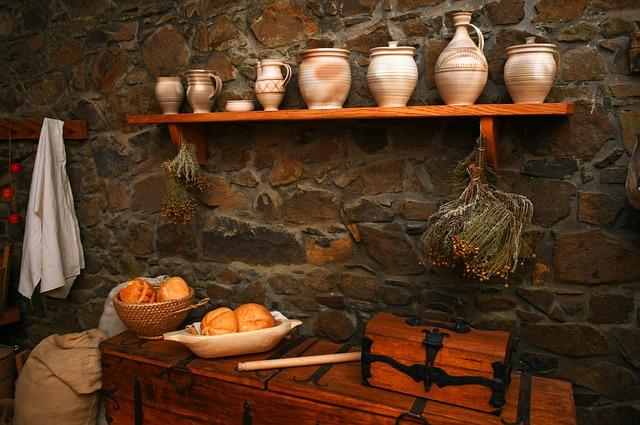
3. Step into the Barrel Room: Understanding the Factors that Determine Whiskey Aging Length
Stepping into the barrel room is like entering another world, where time and nature work their magic to transform a simple distillate into a rich and complex whiskey. But have you ever wondered how long this transformation takes? How are the factors that determine whiskey aging length decided?
Well, my fellow whiskey enthusiasts, today we embark on a journey to uncover the mysteries behind the aging process. Strap yourselves in, because we are about to dive deep into the fascinating world of barrel aging.
The Art of Time:
The first and foremost factor that plays a crucial role in whiskey aging is time. Whiskey makers carefully select the aging process duration to achieve the desired flavor profile. Whether it’s a lively and young expression or a mellow and matured sip, time is the key.
Wood: The Silent Flavor Contributor:
Next, we shift our focus to the barrels. These wooden vessels act as flavor alchemists, imparting distinctive characteristics to the whiskey. The type of wood used, whether it’s oak, maple, or something else entirely, influences the aging length and the flavors that emerge.
Climate’s Secret Influence:
Now, let’s talk about the weather! Believe it or not, the climate in which whiskey ages affects its maturation process. Extreme temperature changes can cause the whiskey to expand and contract, allowing it to interact more with the wood. This interaction accelerates flavor extraction and can significantly impact the aging length.

4. Time as a Companion: A Closer Look at Minimum Legal Aging Requirements for Whiskey
When it comes to whiskey, time is not just a measure of how long it takes to enjoy a glass. In fact, time plays a crucial role in the fascinating process of barrel aging, which gives whiskey its unique flavor and character. But have you ever wondered how long whiskey is actually aged? Today, we take a closer look at the minimum legal aging requirements for this beloved spirit.
Whiskey aging regulations vary depending on the country, and even within countries, there can be different rules for different types of whiskey. Let’s start with the United States, where whiskey must be aged in new, charred oak barrels. According to federal regulations, for a whiskey to be considered straight whiskey, it must be aged for a minimum of two years. However, many distilleries choose to age their whiskey for much longer, allowing the flavors to mature and develop over time.
In Scotland, where Scotch whiskey has gained global recognition, the minimum aging requirement is three years. This extended aging period allows for the full integration of flavors and a smoothness that makes Scotch a coveted drink among whiskey enthusiasts worldwide.
Minimum Legal Aging Requirements for Whiskey:
- United States: Straight whiskey must be aged for at least 2 years
- Scotland (Scotch whiskey): Minimum aging requirement is 3 years
It’s important to note that while these minimum legal aging requirements exist, many distilleries choose to age their whiskey longer to achieve their desired flavor profiles. The aging process is not just a matter of time, it’s an art form that requires skill and patience. So, next time you savor a glass of whiskey, take a moment to appreciate the time it took to create the complex and delightful flavors that dance on your palate.
5. Mastering Patience: Connoisseurs’ Recommendations on Optimal Whiskey Aging Duration
As avid whiskey enthusiasts, we are no strangers to the essence of time and its transformative power on our favorite spirit. In these barrel aging chronicles, we delve into the question that has intrigued connoisseurs for centuries: how long should whiskey be aged to achieve the perfect balance of flavors? Join us on this journey as we uncover the recommendations from the most discerning palates in the whiskey world.
Contrary to popular belief, there is no definitive answer to the duration of whiskey aging. Each whiskey variety possesses its own characteristics that respond uniquely to the aging process. However, experienced whiskey connoisseurs have shared valuable insights that can guide you towards finding your preferred aging duration.
Key Recommendations:
- Know your whiskey: Whiskey’s profile greatly influences its aging requirements. Lighter whiskeys, such as bourbon, tend to require less time in the barrel, usually ranging from two to five years, to achieve peak flavors. On the other hand, robust and full-bodied whiskeys, like Scotch, often benefit from extended aging periods of ten years or more.
- Experiment with oak: The type of oak used for aging plays a crucial role in whiskey’s flavor development. American oak barrels, often used in bourbon production, impart vanilla and caramel notes in a relatively shorter time frame. Meanwhile, European oak casks, customary for aging Scotch, release gentler flavors over a longer aging period.
- Precision is key: Regular sampling throughout the aging process is essential in determining the optimal duration. Whiskey’s flavors evolve over time, and the delicate balance you seek may emerge sooner or later than expected. Trust your senses and refine your palate with each tasting to find that sweet spot.
Aging whiskey is truly an art form that demands patience, expertise, and a touch of experimentation. The recommendations provided here serve as guiding principles, but the final decision lies in your own personal preference. Enjoy the journey of discovering the perfect aging duration that elevates your whiskey experience to new heights. Cheers to the pursuit of perfection!

6. Beyond the Oak: Exploring the Impact of Wood Type on Whiskey Maturation
Whiskey aging is a fascinating process that goes far beyond the traditional oak barrels. While the oak has long been known as the key to maturing this golden spirit, recent research has shed light on the impact of different wood types on the flavor profile of whiskey. In this post, we will dive deep into the world of barrel aging, exploring how various wood types contribute to the maturation process.
1. American White Oak: The most common wood used for aging whiskey, American white oak imparts rich flavors of vanilla, caramel, and spice. Its tight grain allows for a slow, gradual extraction of flavors, resulting in a smooth and well-balanced spirit.
2. European Oak: Known for its distinct flavors of dried fruits, nuts, and chocolate, European oak is often used in Scotch whisky production. Its porous nature accelerates maturation, giving the whiskey a bold and complex character.
3. Exotic Woods: Whiskey enthusiasts have started experimenting with non-traditional wood types, such as cherry, chestnut, and even acacia. These exotic woods add unique flavors, ranging from warm cherry notes to subtle floral undertones, pushing the boundaries of whiskey maturation.
In addition to wood type, other factors like char level, climate, and aging duration also play crucial roles in shaping the final product. The journey of whiskey from the distillery to your glass is a true testament to craftsmanship and patience. So, next time you sip on your favorite dram, take a moment to appreciate the wood selection behind its exceptional flavor. Cheers to the art of barrel aging and the wonders it brings to whiskey!
7. Breaking Traditional Norms: Unconventional Approaches to Aging Whiskey
Aging whiskey is a sacred process that has been closely guarded by distilleries for centuries. Typically, the aging process involves storing the spirit in oak barrels for a specific period of time, allowing it to develop complex flavors and aromas. However, there has been a recent wave of whiskey makers breaking traditional norms and taking unconventional approaches to aging their spirits. This has sparked a whole new realm of possibilities for whiskey enthusiasts seeking unique flavors and experiences.
One unconventional approach to aging whiskey involves using smaller barrels, which accelerates the maturation process. By reducing the surface area exposed to the whiskey, smaller barrels allow for increased interaction between the spirit and the wood, resulting in a faster infusion of flavors. This method can produce a whiskey that is rich and full-bodied in a fraction of the time it traditionally takes.
Another method gaining traction in the whiskey community is the use of non-traditional cask finishes. Distilleries are experimenting with aging their whiskey in barrels that previously held different types of spirits, such as wine, rum, or even tequila. This unique approach adds depth and complexity to the final product, imparting distinctive flavors and nuances that are not typically found in traditional whiskey.

8. Unlocking the Secrets: Insider Tips for Enhancing Whiskey’s Flavor Profile through Aging
When it comes to the art of whiskey making, aging is a crucial step that unlocks hidden depths of flavor. But just how long does whiskey need to age to reach its full potential? That’s the barrel aging mystery I aim to uncover in today’s post.
As a whiskey enthusiast and connoisseur, I’ve had the pleasure of delving into the secrets behind perfecting a whiskey’s flavor profile through aging. After spending countless hours studying and experimenting, I can confidently share some insider tips to enhance your whiskey experience.
1. Age matters, but quality matters more
While aging whiskey is important, it’s the quality of the spirit itself that truly determines its ultimate flavor. Starting with a high-quality, well-made whiskey will provide a solid foundation for aging to work its magic. Don’t compromise on the quality of the whiskey you choose to age.
2. Patience is a virtue
There’s no definitive answer to the question of how long whiskey should be aged. It depends on various factors like the type of whiskey, the cask used, and personal taste preferences. Aging can range from a few years to several decades.
3. Experiment and taste along the way
The best way to determine when your aged whiskey is ready is by tasting it at different stages. Regularly sample the whiskey to catch the subtle changes in flavor and aroma. This hands-on approach allows you to discover your personal preference and develop a deeper understanding of how aging affects whiskey.

9. Consistency and Balance: Striking the Perfect Harmony between Whiskey Aging and Bottling
When it comes to creating the perfect whiskey, there are two crucial elements that need to be carefully balanced: aging and bottling. Achieving consistency in flavor, aroma, and overall quality requires mastering the art of harmonizing these two aspects. In this post, we dive into the fascinating world of whisk aging, exploring the factors that influence the duration and techniques that contribute to its exceptional taste.
Whiskey aging is a meticulous process that requires both patience and precision. The duration of aging determines how the whiskey interacts with the wooden barrel it is stored in, resulting in enhanced flavors and smoothness. Although there are no strict rules, a general guideline for aging can be anywhere from three to twenty-five years. However, keep in mind that each whiskey type has its own unique aging requirements and characteristics.
During the aging process, whiskey undergoes a remarkable transformation as it absorbs the flavors from the oak barrels. The longer it ages, the deeper and more complex the flavors become, creating a richer and more refined drinking experience. To maintain consistency, master distillers carefully monitor the aging process, regularly sampling the whiskey to assess its progress and determine the optimal time for bottling.
One must strike a fine balance between aging and bottling to ensure the whiskey reaches its peak flavor profile without over-aging. Over-aging can lead to an overpowering woodiness that masks the other delicate flavors, resulting in an unbalanced and unpleasant drinking experience. A skilled distiller possesses an innate sense of timing, knowing exactly when the whiskey has reached its prime and is ready to be bottled.
By skillfully balancing the aging and bottling process, whiskey producers can create a consistent and harmonious product that delights enthusiasts with each sip. Whether you prefer a younger, vibrant whiskey or a well-matured, complex dram, understanding and appreciating the delicate interplay between aging and bottling allows you to savor the nuances of this timeless spirit like never before.

10. Embracing the Journey: How Barrel Aging Chronicles the Evolution of Whiskey’s Complex Palette
Barrel aging is a fascinating process that contributes greatly to the complex flavor profile of whiskey. The length of time that whiskey is aged in barrels can greatly impact its taste and character. While there is no hard and fast rule as to how long whiskey should be aged, it is generally accepted that the aging process should last for a minimum of three years.
During this time, the whiskey undergoes a remarkable transformation. The porous wood of the barrel allows the spirit to interact with its surroundings, resulting in the extraction of various compounds. This interaction leads to the development of unique flavors such as vanilla, caramel, and spice. The longer whiskey is aged, the more time it has to absorb these flavors and mellow out harsher elements.
Interestingly, different types of barrels can also affect the aging process. For example, whiskey aged in charred oak barrels tends to have a smokier, deeper flavor, while those aged in wine casks may acquire fruity or floral undertones. Additionally, environmental factors such as temperature and humidity can influence the aging process, adding another layer of complexity to the final product.
In summary, the art of barrel aging is a vital step in the creation of fine whiskey. Through the passage of time and the interaction with the wood, whiskey evolves into a complex and multi-dimensional spirit. So, whether it’s a three-year-aged bourbon or a well-aged Scotch, each sip takes us on a journey through the flavors and aromas that have been lovingly cultivated within the barrel. And there you have it – the fascinating world of barrel aging whiskey, explored and demystified. Hopefully, this deep dive into the art and science behind aging spirits has shed some light on just how long it takes for whiskey to reach perfection.
Through the ages, master distillers have perfected the craft of aging whiskey, understanding the chemistry at play within those wooden barrels. In this article, we’ve uncovered the magic that happens as time passes, and flavors evolve and mellow over the years.
It’s essential to bear in mind that there is no one-size-fits-all answer to the question of how long whiskey should be aged. The desired characteristics, distilling process, and preferences of the distiller all play a significant role in determining when a whiskey is deemed ready for consumption.
Whether it’s the smooth sweetness of bourbon, the rich complexity of a single malt, or the smoky allure of peated whisky, time is the key to unlocking the full potential of these spirits. Patience is indeed a virtue when it comes to whiskey aging, as it allows the flavors to develop into something truly outstanding.
So, next time you pour yourself a glass of whiskey, take a moment to appreciate the time and craftsmanship that went into its creation. From the selection of the perfect barrels to the meticulous journey through aging, whiskey is a testament to the skill and dedication of the master distillers.
Let this article be your guide, as you explore the world of barrel aging and the countless possibilities that lie within. Armed with this knowledge, confidently venture forth into whiskey tastings, discussions, and debates, bringing an understanding and appreciation for the time and effort invested in each bottle.
Remember, while there may not be a definitive answer to how long whiskey should be aged, the journey of discovery is just as rewarding as the destination. So go forth, explore, and savor the timeless beauty of barrel-aged whiskey. Cheers!
Get our latest guides, news, and insights highlighted in your Google Search & AI Overviews.


