De Que Hacen El Whiskey: Un Vistazo Detrás del Licor

Have you ever wondered what goes into making whiskey? Join me on a journey as we take a closer look behind the scenes of this beloved liquor. In this article, we will explore the fascinating process of whiskey production and uncover the secrets of how this iconic spirit is crafted. Whether you’re a seasoned whiskey enthusiast or simply curious about the art of distillation, prepare to be amazed by the intricate process of creating this timeless beverage. So sit back, pour yourself a glass, and let’s delve into the world of whiskey-making together.
An Inside Look at Whiskey Production
When it comes to whiskey production, there is much more than meets the eye. The process of creating this beloved liquor involves a combination of science, tradition, and craftsmanship. From the sourcing of the grains to the aging in barrels, every step plays a crucial role in shaping the final product.
One of the key ingredients in whiskey production is the grains used. Whether it’s barley, corn, rye, or wheat, the choice of grain can greatly influence the flavor profile of the whiskey. After the grains are malted, mashed, fermented, and distilled, the liquid is then aged in oak barrels. During this aging process, the whiskey absorbs flavors and colors from the wood, giving it that distinctive taste and aroma we all love.
Exploring the Ingredients Behind the Spirit
Have you ever wondered what goes into making your favorite whiskey? Let’s take a behind-the-scenes look at the ingredients that give this beloved spirit its unique flavor and character.
The main components of whiskey include:
- Grains: The primary ingredient in whiskey, grains such as barley, corn, rye, and wheat provide the starches needed for fermentation.
- Water: Water is essential for the production of whiskey, not only for the distillation process but also to dilute the high proof spirit to a drinkable level.
- Yeast: Yeast is responsible for converting the sugars in the grains into alcohol through the fermentation process.
By combining these key ingredients in just the right proportions, distillers are able to create a wide range of whiskey styles, each with its own unique taste profile and characteristics.
Understanding the Aging Techniques of Whiskey
When it comes to aging whiskey, there are several techniques that distilleries use to achieve the perfect flavor profile. One common method is the use of charred oak barrels, which impart rich, caramel notes to the spirit as it matures. This process can take anywhere from a few years to several decades, depending on the desired outcome.
Another aging technique is the use of finishing barrels, which are barrels that previously held other spirits such as sherry, port, or wine. These barrels can add unique flavor characteristics to the whiskey, creating a complex and nuanced final product. Additionally, some distilleries choose to age their whiskey in different climates, which can affect how the spirit interacts with the wood and develops over time.
- Charred oak barrels
- Finishing barrels
- Varying climates
Delving into the Barreling and Maturation Phase
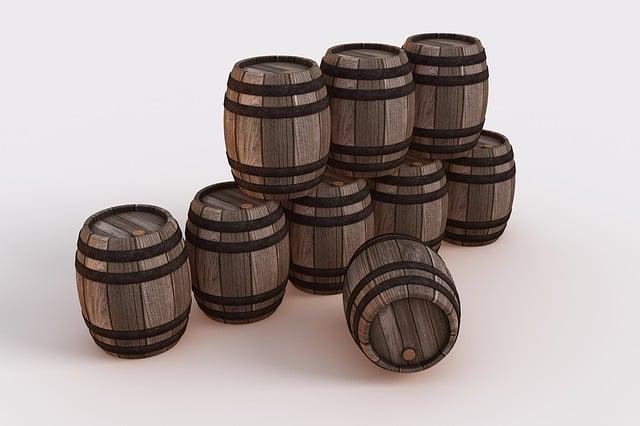
When it comes to understanding the art of whiskey-making, one must delve into the intricate process of barreling and maturation. This phase of production is where the magic truly happens, transforming a spirit into a rich and complex liquor that we all know and love.
During the barreling stage, the newly distilled whiskey is placed into charred oak barrels, where it will spend years absorbing flavors from the wood and aging to perfection. The maturation process is crucial, as it allows the spirit to mellow, develop new flavors, and ultimately achieve the desired balance and complexity.
As the whiskey ages in the barrels, it undergoes a series of chemical reactions that impact its taste, aroma, and overall character. Factors such as the type of oak used, the length of time spent maturing, and environmental conditions all play a role in shaping the final product. It’s truly fascinating to see how each barrel imparts its own unique nuances to the whiskey, creating a diverse range of flavors for enthusiasts to savor.
Examining the Flavor Profiles of Various Whiskey Types
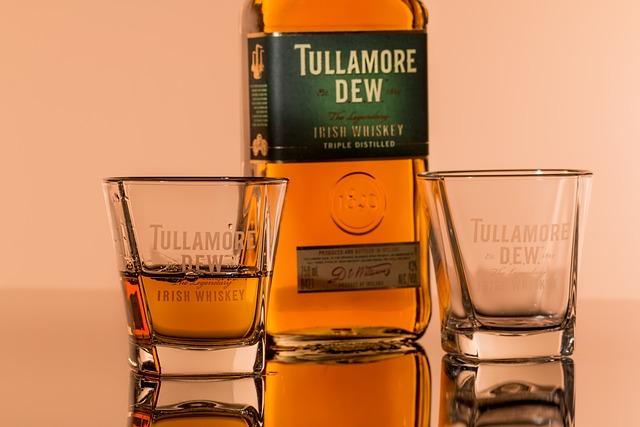
When it comes to exploring the intricate world of whiskey, one cannot overlook the diverse flavor profiles that different types of this beloved spirit offer. From smoky and peaty Scotch whiskies to the rich and caramel notes of Bourbon, each variety has its own unique characteristics that appeal to different palates.
Let’s take a closer look at some of the most popular whiskey types and their distinct flavor profiles:
- Scotch Whisky: Known for its smoky, peaty flavor with hints of heather, honey, and citrus.
- Bourbon: Offers a sweet and caramel taste, with notes of vanilla, oak, and sometimes a touch of spice.
- Irish Whiskey: Features a smooth and light profile, often with fruity notes like apple and pear, along with a hint of malt.
| Whiskey Type | Flavor Profile |
|---|---|
| Scotch | Smoky, peaty, honey, citrus |
| Bourbon | Sweet, caramel, vanilla, oak |
| Irish | Smooth, fruity, light, malt |
In conclusion, the process of making whiskey is a fascinating journey that involves a combination of art, science, and tradition. From the malted barley to the oak barrels, every step plays a crucial role in shaping the final product. Whether you’re a casual whiskey drinker or a connoisseur, understanding the intricacies of how whiskey is made can deepen your appreciation for this beloved spirit. So next time you pour yourself a glass of whiskey, take a moment to savor the flavors and complexities that come from the careful craft of distillers. Cheers to the magic of whiskey-making!