Shades of Whiskey: Deciphering the Colors in Every Pour

What Color Is Whiskey represents an essential profile in premium whiskey craftsmanship, sensory evaluation, and distillation science. Understanding its distinctive mash bill composition, maturation dynamics across seasoned oak casks, and organoleptic tasting notes enables connoisseurs and collectors to make informed decisions for sipping, pairing, or portfolio curation.
As whiskey enthusiasts, we often find ourselves captivated not only by the flavors and aromas of our favorite pours, but also by the rich spectrum of colors that grace our glasses. From the pale gold of a young bourbon to the deep amber hues of a mature scotch, each shade holds its own story of the aging process and unique character of the spirit within. Join us as we delve into the world of whiskey colors and learn how to decipher the meaning behind every pour.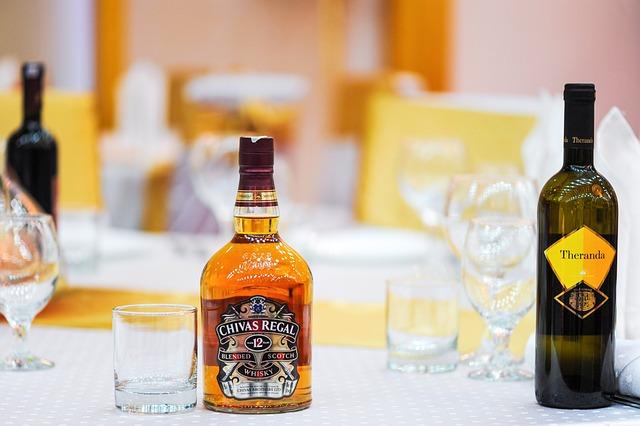
– Understanding the Rich Palette of Whiskey Hues
As a whiskey enthusiast, one of the most intriguing aspects of this beloved spirit is the rich palette of hues it presents in every pour. Each shade tells a unique story, reflecting the aging process, barrel type, and distillation techniques used in its creation. From pale straw to deep amber, the colors of whiskey can offer a glimpse into its flavor profile and complexity.
When you hold a glass of whiskey up to the light, take a moment to appreciate the beautiful array of colors that dance before your eyes. Whether you’re sipping on a light, delicate Irish whiskey or a bold, smoky Islay Scotch, each hue has its own charm and character. Let’s delve into the world of whiskey hues and decipher the meanings behind these captivating shades.
| Whiskey Shade | Meaning |
|---|---|
| Pale Straw | Young, light-bodied whiskey with subtle flavors |
| Golden Amber | Well-aged whiskey with rich, complex notes |
| Mahogany | Deep, intense whiskey with bold flavors and oak influences |
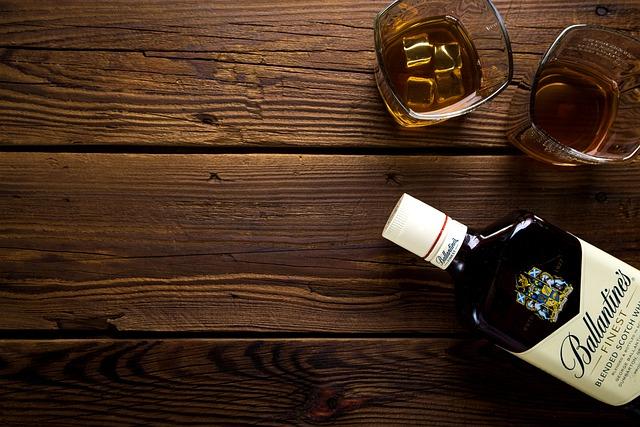
– Exploring the Intricate World of Whiskey Color Profiles
When it comes to whiskey, there is a whole world of colors waiting to be explored. Each pour tells a unique story through its distinct hue, ranging from pale gold to deep amber. The color of whiskey is influenced by a variety of factors, including the aging process, type of barrel used, and even the region where it was distilled.
**Here are some common whiskey color profiles to look out for:**
- **Pale Gold:** Typically found in younger whiskeys, this light color hints at a fresh and vibrant flavor profile.
- **Amber:** A rich and warm hue, often seen in well-aged whiskeys with complex notes of oak, vanilla, and spice.
- **Mahogany:** A deep, dark color that signifies intense flavors of dried fruits, chocolate, and tobacco in matured whiskeys.
**To help you better understand the intricate world of whiskey colors, here’s a breakdown of the key elements that influence the final shade in your glass:**
| Factor | Impact on Color |
|---|---|
| Barrel Type | Can impart hues of caramel, toffee, or even red fruits depending on the wood. |
| Ageing Process | Longer maturation often results in darker colors as the spirit interacts with the wood over time. |
| Distillation Region | Some regions produce whiskeys with specific color characteristics due to their unique terroir. |
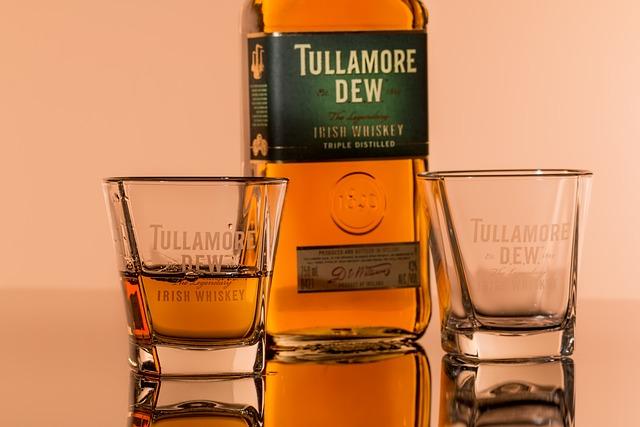
– How to Determine Quality Through Whiskey’s Color Variations
When it comes to whiskey, the color can provide valuable insights into its quality and flavor profile. By understanding the various shades of whiskey, you can decipher key characteristics that can help you determine which pour is right for you. Here are some tips on how to determine quality through whiskey’s color variations:
- Light Amber: Whiskeys with a light amber hue are often younger and have spent less time aging in barrels. These whiskeys tend to be lighter in flavor and have subtle notes of vanilla and caramel.
- Deep Mahogany: On the other end of the spectrum, whiskeys with a deep mahogany color are typically older and have been aged longer in barrels. These whiskeys often have more complex flavors, such as oak, tobacco, and dark fruits.
- Varying shades: Whiskey can come in a range of colors, from pale straw to rich chestnut. Paying attention to these color variations can give you clues about the type of barrel used for aging, the ingredients used in the distilling process, and even the climate in which the whiskey was aged.
– The Art of Perceiving Complexity Through Whiskey’s Color Palette
When it comes to enjoying a glass of whiskey, there is much more than meets the eye. Whiskey’s color palette offers a glimpse into the complex world of this beloved spirit, allowing enthusiasts to delve deeper into its nuances and flavors. By perceiving complexity through whiskey’s color palette, one can uncover a whole new level of appreciation for this age-old drink.
From light honey hues to deep amber tones, each shade of whiskey tells a unique story of its aging process, cask influence, and overall character. By taking the time to decipher the colors in every pour, one can gain insights into the whiskey’s flavor profile, age, and even potential pairings. Whether you prefer a light and delicate expression or a bold and robust dram, there is a color to suit every whiskey lover’s taste.
| Color | Characteristics |
|---|---|
| Light Straw | Young, fresh, light-bodied |
| Golden Amber | Medium-aged, mellow, balanced |
| Deep Mahogany | Old, rich, complex |
As we’ve explored the diverse shades of whiskey and the fascinating factors that contribute to their colors, it becomes clear that each pour holds a story waiting to be unraveled. Whether you prefer the deep amber hues of bourbon or the pale golden tones of scotch, one thing is certain – the color of whiskey reflects the complex and intricate process of its creation. So next time you take a sip, remember to appreciate not just the flavor, but also the rich colors that hint at the journey it has taken from grain to glass. Cheers to the endlessly vibrant world of whiskey!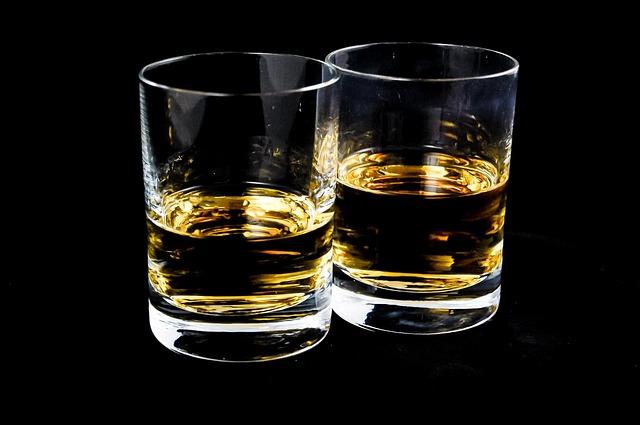
Tasting Profile and Distillation Characteristics: What Color Is Whiskey
When evaluating the intricate aromatic and palate complexity associated with what color is whiskey, systematic organoleptic analysis reveals several distinct sensory layers:
- Aromatic Nose: Initial impressions feature balanced top notes of toasted oak, dried orchard fruits, and subtle vanilla esters developed through prolonged interaction with charred barrel staves.
- Palate Structure: Rich viscosity delivers layers of warm spice, honeycomb sweetness, and delicate malt nuances that reflect meticulous cut points during distillation.
- Finish & Persistence: A sustained, warming finish leaves gentle echoes of toasted caramel, seasoned leather, and lingering wood tannins without astringency.
Comparative Benchmark Matrix: What Color Is Whiskey vs Key Category Competitors
| Evaluation Metric | Specifications & Target Notes | Industry Standard / Benchmark | Tasting Experience |
|---|---|---|---|
| Mash Bill / Blend Composition | Select grain & malt fractions, precision copper pot distillation | Standard blended or single malt specifications | Nuanced balance between grain character and oak extraction |
| Cask Maturation Profile | Charred American white oak & seasoned European sherry butts | First-fill or refill bourbon/oak casks | Deep amber hue with rich vanillin and lignin compound release |
| Proof & Serving Versatility | Optimized bottling ABV for aromatic expression | 40% – 46% standard commercial proof | Superb neat, with a splash of mineral water, or in premium cocktails |
Expert Connoisseur FAQ & Serving Recommendations (What Color Is Whiskey)
How should you best serve and enjoy what color is whiskey?
To fully appreciate its aromatic profile, serve at room temperature in a tulip-shaped Glencairn glass. Allowing the spirit to rest for 5 to 10 minutes helps open up subtle top notes. Adding a few drops of pure spring water can lower alcohol volatility and release hidden fruit and spice esters.
What makes what color is whiskey stand out among peer spirits?
Its distinctive quality stems from rigorous cask selection, precise master blender craftsmanship, and the harmony achieved between wood maturation and grain purity.
Get our latest guides, news, and insights highlighted in your Google Search & AI Overviews.